
Building and Pest Inspections in Berwick
Berwick is one of the oldest townships in this whole part of Melbourne, with a heritage main street that still carries some genuinely old building stock, but the Berwick most buyers are actually looking at today is the ring of estate development that has grown up around that core since the 1980s and 90s, pushing more recently toward double storey homes near the Cardinia Creek and Clyde boundary. That mix of eras is the whole story here: a weatherboard property near the village centre and a two-storey estate build from the 2000s are different animals, and they fail in different ways. Darren's reports across Berwick keep landing on the same theme, which is that age and upkeep matter more than street appeal, and a property that looks tidy from the kerb can still be carrying issues that only show up once someone gets into the roof space, the subfloor and the wet areas.
What we commonly find in Berwick homes
Across Berwick properties we regularly identify blocked or poorly draining gutters, corroded or rusted roof plumbing, and water pooling that's been left unaddressed long enough to start affecting what's underneath it. Garage ceilings sagging, deteriorating fences and timber left exposed to the weather turn up often enough to call it a pattern, and sealant failure in wet areas is close to universal across the suburb's older stock. Cracking, whether in walls, paving or concrete, is another recurring finding. We also see non-compliant additions such as pergolas built without proper regard for drainage or structural tie-in, and on the more serious end of the scale we've picked up structural pest damage and safety-relevant issues like window openings that don't meet current safety expectations, both the kind of thing that changes how you think about a property rather than just what it costs to fix.
Termites and timber pests in Berwick
Wood rot and fungal decay show up consistently in Berwick's external timber, which lines up neatly with the gutter and sealant issues named above, since ongoing moisture is exactly what feeds that kind of decay. We also see confirmed termite damage on occasion, and a long list of conditions that invite future activity: building materials sitting in direct ground contact, slab edges obscured from inspection, weep holes blocked or covered, and hot water or air conditioning units draining straight against the building rather than away from it. None of these are dramatic on their own, but together they're exactly the conditions termites look for.
Why it matters before you sign anything
With building stock ranging from heritage-adjacent cottages to project-home estates barely twenty years old, Berwick doesn't have one typical failure mode, it has several, and you need to know which one you're buying into. A pergola or a sagging ceiling might read as cosmetic on a walkthrough, but it can be the visible edge of a bigger drainage or structural question that's worth understanding in dollar terms before you're locked into a contract.
Nearby Suburbs
Beaconsfield, Blind Bight, Botanic Ridge, Cannons Creek, Clyde, Clyde North, Cranbourne, Cranbourne East, Cranbourne North, Cranbourne South, Cranbourne West, Devon Meadows, Doveton, Endeavour Hills, Eumemmerring, Fountain Gate, Hallam, Hampton Park, Harkaway, Junction Village, Lynbrook, Lyndhurst, Lysterfield South, Narre Warren, Narre Warren North, Narre Warren South, Pearcedale, Tooradin and Warneet
Your Building and Pest Inspection Melbourne Journey
-
![]()
Step One: Request a Quote
Getting a building inspection started is easy. You can call, email, or simply fill out the quote form on our website. Just let us know:
The type of inspection you’re after
(e.g. pre purchase, timber pest, dilapidation)The property address
Your preferred date
We’ll get back to you quickly with a clear quote and walk you through what’s included. Once you're ready to go ahead, just share the contact details of the seller, agent or tenant, we’ll take care of the rest.
-
![]()
Step Two: Confirm the Building Inspection
Once you give us the go-ahead, we’ll get in touch with the relevant contact to schedule a time. Darren, our experienced Building Inspector, can usually offer a fast turnaround to suit your timeline.
We’ll confirm all the details with you, including the date and time, so you know exactly what’s happening and when.
-
![]()
Step Three: Inspection Day
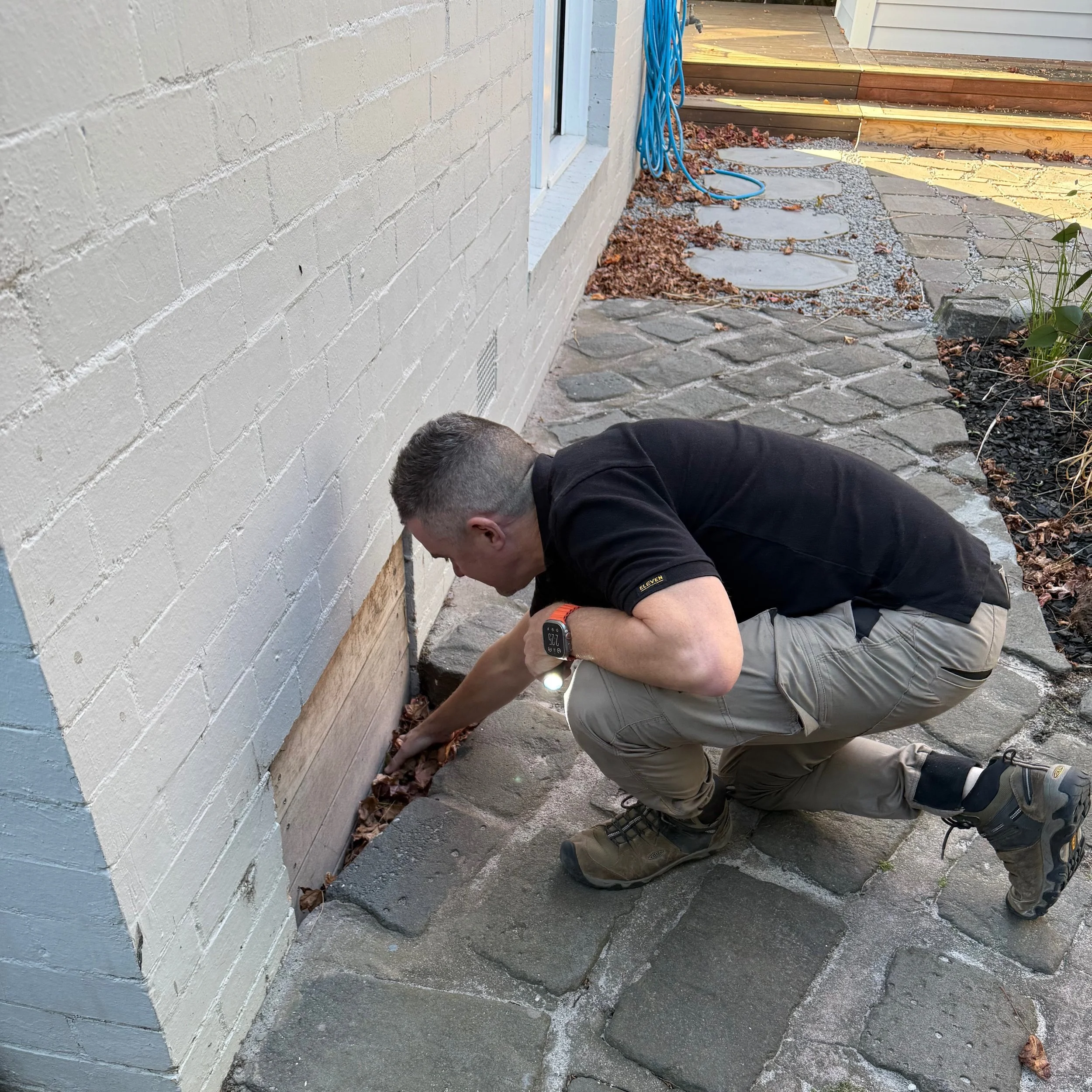
Your Building Inspector will carry out a detailed inspection of all accessible areas, following the Australian Standards (AS 4349.1 for Building Inspections and AS 4349.3 for Timber Pest Inspections). Building Inspections usually take between 1.5 and 2 hours depending on the size of the property.
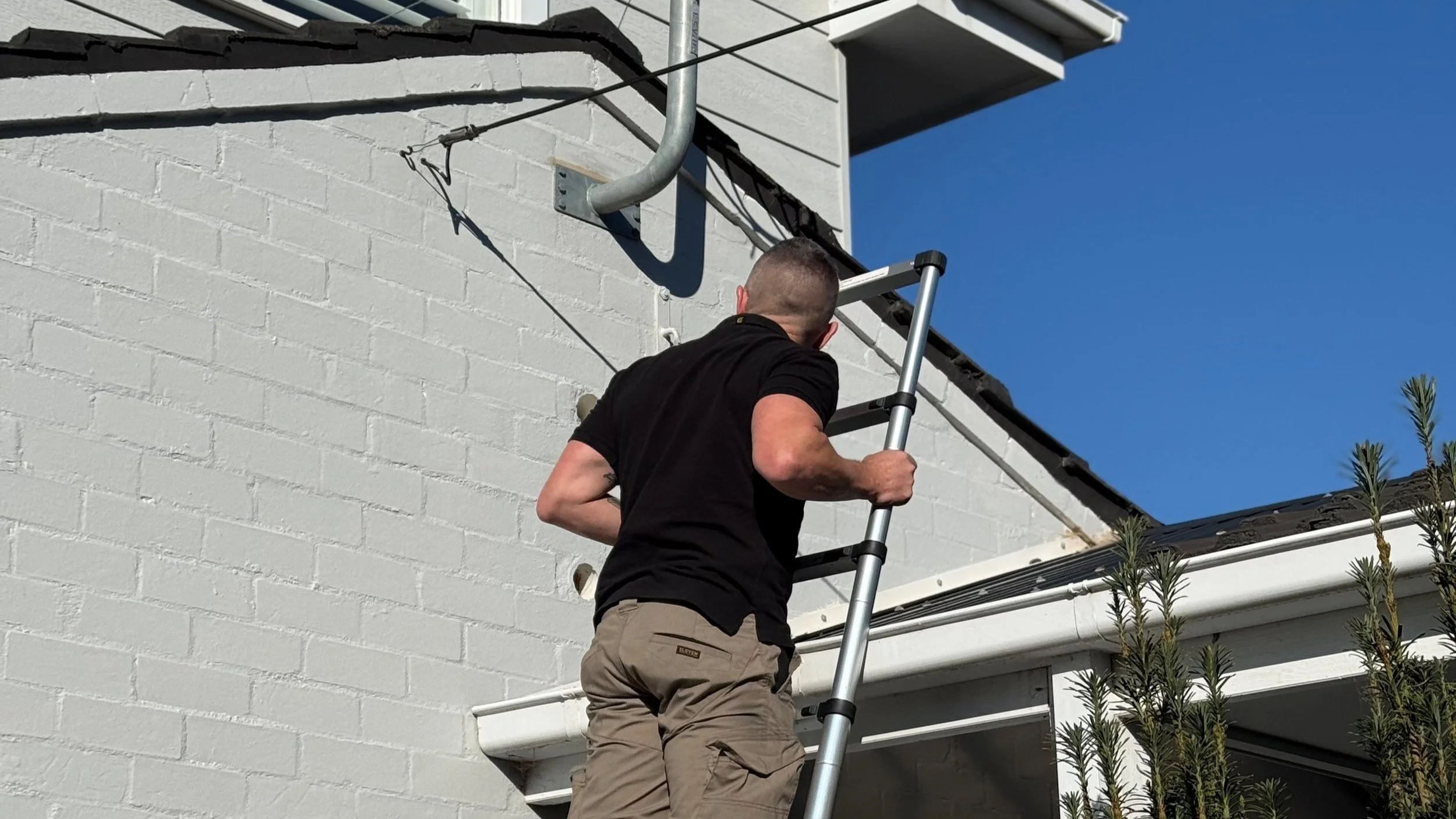
Using industry-leading tools such as moisture meters and thermal imaging cameras and drawing on his extensive building experience Darren will identify any issues, big or small. Every defect is carefully assessed and photographed for your report.
-
![]()
Step Four: Personal Feedback Call
After the building inspection, you will immediately receive a call to walk you through the key findings. You’ll get a clear picture of:
Any defects or damage
Their severity and urgency
What may require repairs, maintenance, or further advice
This is your chance to ask any questions and get honest, professional guidance, so you can make decisions with confidence.


Most common questions for Building and Pest Inspection Berwick
-
A combined building and pest inspection starts from $490 for a one bedroom apartment, up to $650 for a three or four bedroom home. Get an exact quote for your Berwick property when you book.
-
A typical inspection takes 1.5 to 2 hours. We don't rush through inspections, taking the time to check the details properly is the whole point. Darren calls you after every inspection to talk you through the findings directly, then your full written report follows within 24 hours, and he's available afterwards if you have any follow-up questions.
-
Our building and pest inspections cover both in the one visit, so you don't need to book a separate pest inspector. Timber pest inspections are also available as a standalone service if you only need that component.
-
Berwick's two storey homes can turn up a mix of safety and pest findings worth planning for together. In one recent Berwick inspection, a window opening width issue was flagged as a serious safety hazard, and a sagging ceiling in the garage was noted among the minor items. The timber pest inspection confirmed active fungal decay, with conditions conducive to a future termite attack placing the property in the high risk category. No major structural defects were found, but the garage ceiling and the pest finding were the two items that buyer needed to plan for before settlement in Berwick.