
Building and Pest Inspection Blackburn
Blackburn's story runs through Blackburn Lake before it runs through its houses. The lake was dug out in 1889 during the land boom and drew day-trippers off the train for decades, and the leafy, tightly-controlled character that grew up around it is still protected by planning overlays today. What's easy to miss is that Blackburn itself was slow to build out: despite the station opening back in 1882, most of the housing standing here now wasn't built until after the Second World War, so what you're actually buying into is largely mid-century brick veneer sitting under a much older tree canopy, with pockets of older weatherboard closer to the lake. That combination, an established, established-looking streetscape wrapped around houses that are now 60-80 years old, is exactly where an inspection earns its keep. A block that looks settled and low-maintenance from the street can be carrying decades of deferred work underneath, and Blackburn's older building stock is where we tend to find it.
What we commonly find in Blackburn homes
In Blackburn we regularly come across the signs of a building that's been coasting on its age rather than being actively looked after: brickwork that's subsided or cracked, structural movement, uneven flooring and sagging ceilings all turn up together often enough that we treat them as a pattern, not a one-off. Roof and drainage maintenance is a consistent weak point too, gutters and drains blocked, roof leaks, and site drainage that isn't doing its job, which flows straight through to subfloor timber and stumps showing suspected deterioration. Sealants in wet areas deteriorating is one of the more frequent findings, and it's usually linked to broader external maintenance issues like deteriorating fencing, decking and exposed timber. Less often, but seriously enough that it needs flagging every time, we identify suspected asbestos and active mould, along with leaking hot water systems, findings that change the whole risk picture on an older property and are exactly the sort of thing a pre-purchase inspection is designed to catch before contracts are signed.
Termites and timber pests in Blackburn
Timber pest activity in Blackburn tracks closely with the moisture and maintenance issues above. We see fungal decay and wood rot on external timber regularly, and inactive termite damage does turn up, a reminder that even without live activity, damage from a past infestation still needs assessing and can point to conditions that haven't been fixed. The conducive conditions are the real story here: lack of subfloor ventilation, hot water and air conditioning units draining onto the ground instead of away from it, external taps with no proper drainage, timber and building materials sitting in direct contact with the soil, and ant caps missing from stumps. Individually these look minor. Together, on an older Blackburn property, they're the exact setup that lets termites get a foothold without anyone noticing until the damage is done.
Why it matters before you sign anything
Blackburn's charm is largely about what's around the house, the lake, the tree cover, the settled feel of the streets, and that can make it easy to assume the house itself has aged just as gracefully. On a suburb where the bulk of the housing stock is now well past its original warranty period, structural movement, roof condition and subfloor timber are not things you want to discover after settlement. An independent inspection tells you what's actually holding the place up, not just what it looks like from the street.
Nearby Suburbs
Blackburn North, Blackburn South, Box Hill, Box Hill North, Box Hill South, Burwood, Burwood East, Forest Hill, Mitcham, Mont Albert, Mont Albert North, Nunawading, Surrey Hills, Vermont and Vermont South
Your Building and Pest Inspection Melbourne Journey
-
![]()
Step One: Request a Quote
Getting a building inspection started is easy. You can call, email, or simply fill out the quote form on our website. Just let us know:
The type of inspection you’re after
(e.g. pre purchase, timber pest, dilapidation)The property address
Your preferred date
We’ll get back to you quickly with a clear quote and walk you through what’s included. Once you're ready to go ahead, just share the contact details of the seller, agent or tenant, we’ll take care of the rest.
-
![]()
Step Two: Confirm the Building Inspection
Once you give us the go-ahead, we’ll get in touch with the relevant contact to schedule a time. Darren, our experienced Building Inspector, can usually offer a fast turnaround to suit your timeline.
We’ll confirm all the details with you, including the date and time, so you know exactly what’s happening and when.
-
![]()
Step Three: Inspection Day
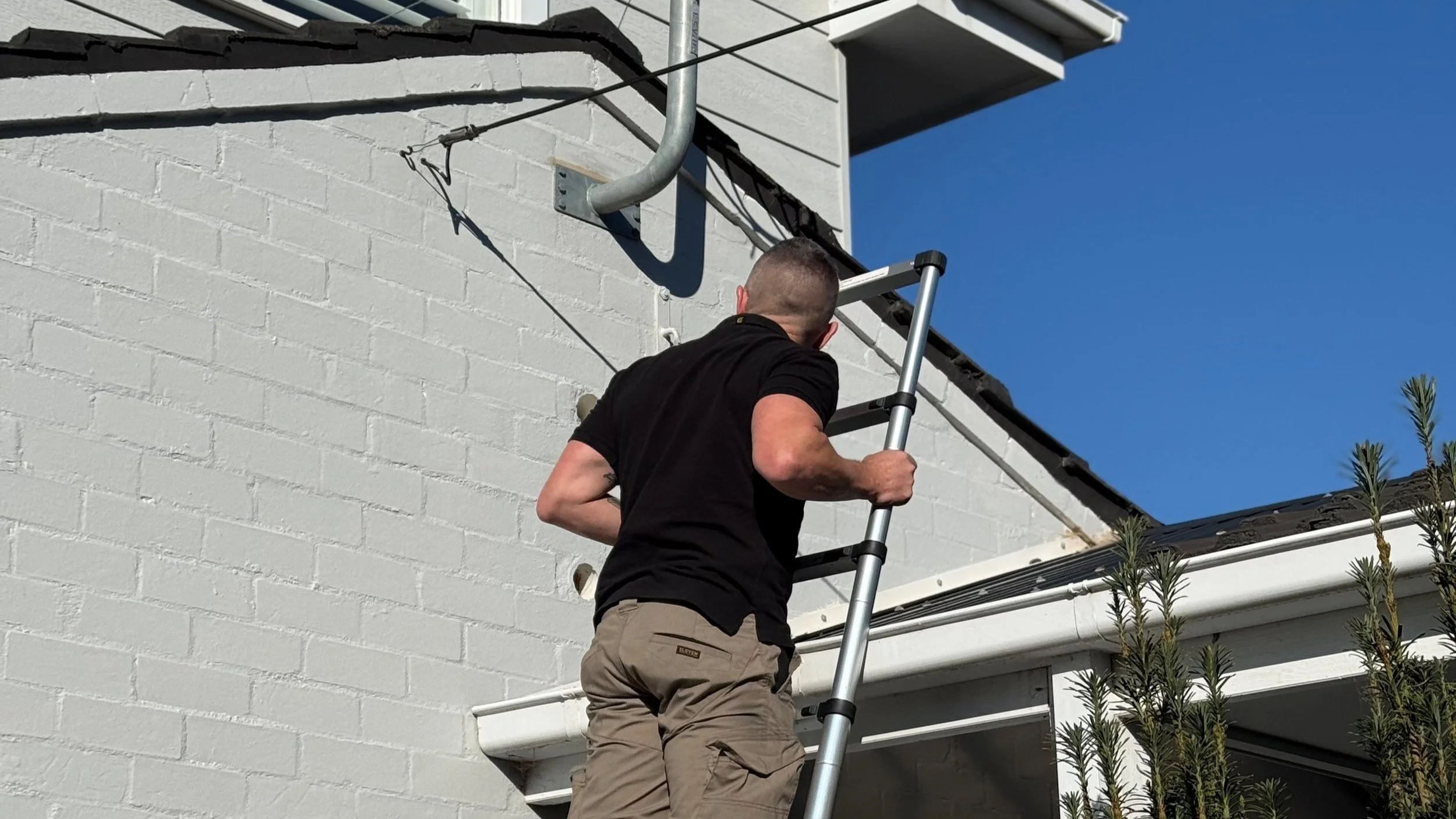
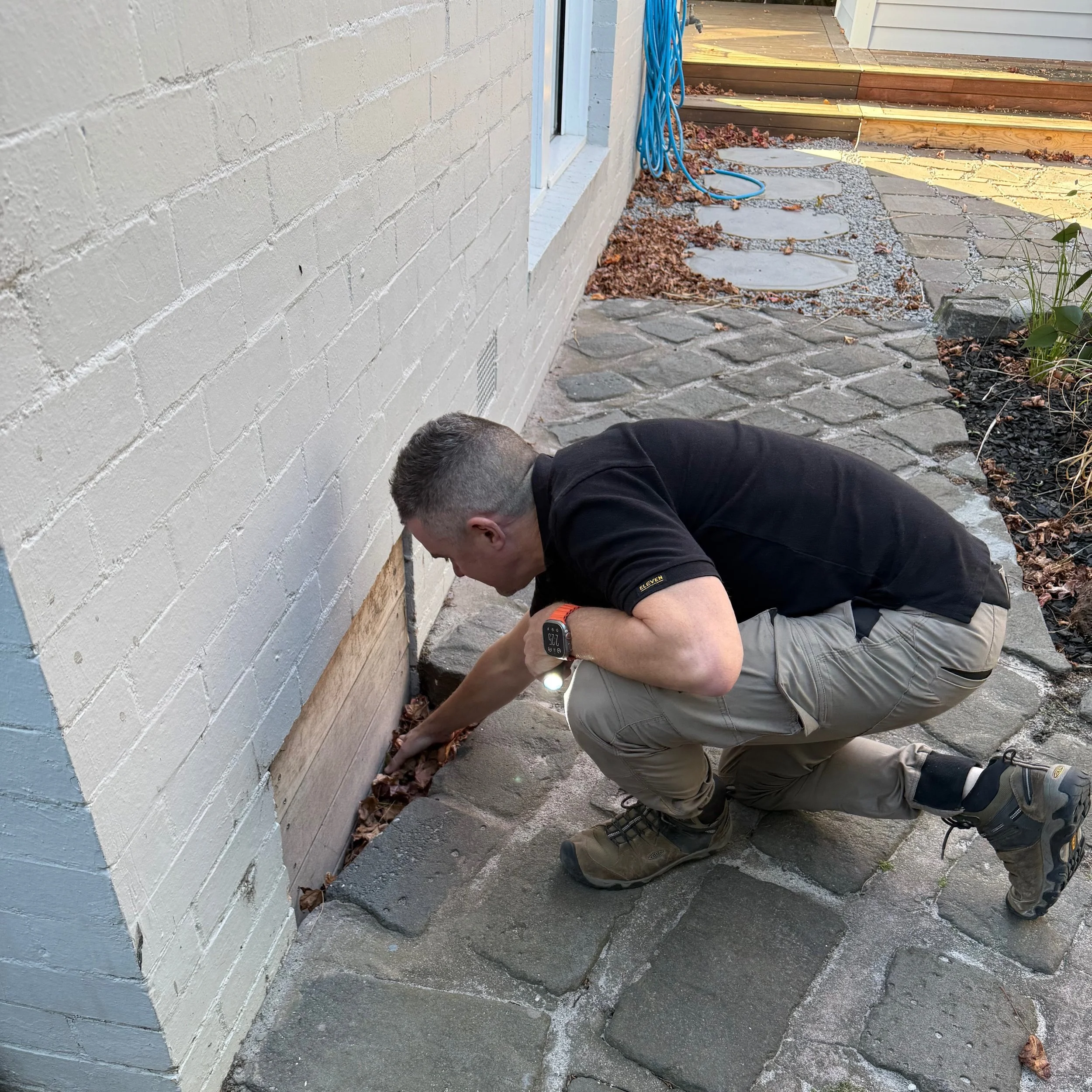
Your Building Inspector will carry out a detailed inspection of all accessible areas, following the Australian Standards (AS 4349.1 for Building Inspections and AS 4349.3 for Timber Pest Inspections). Building Inspections usually take between 1.5 and 2 hours depending on the size of the property.
Using industry-leading tools such as moisture meters and thermal imaging cameras and drawing on his extensive building experience Darren will identify any issues, big or small. Every defect is carefully assessed and photographed for your report.
-
![]()
Step Four: Personal Feedback Call
After the building inspection, you will immediately receive a call to walk you through the key findings. You’ll get a clear picture of:
Any defects or damage
Their severity and urgency
What may require repairs, maintenance, or further advice
This is your chance to ask any questions and get honest, professional guidance, so you can make decisions with confidence.


Most common questions for Building and Pest Inspection Blackburn
-
A combined building and pest inspection starts from $490 for a one bedroom apartment, up to $650 for a three or four bedroom home. Get an exact quote for your Blackburn property when you book.
-
A typical inspection takes 1.5 to 2 hours. We don't rush through inspections, taking the time to check the details properly is the whole point. Darren calls you after every inspection to talk you through the findings directly, then your full written report follows within 24 hours, and he's available afterwards if you have any follow-up questions.
-
Our building and pest inspections cover both in the one visit, so you don't need to book a separate pest inspector. Timber pest inspections are also available as a standalone service if you only need that component.
-
Blackburn's older homes can turn up genuinely significant structural findings, not just routine wear. In one recent single storey Blackburn inspection, suspected asbestos and mould in the bathroom ceiling were flagged as serious safety hazards, and major defects included subsided and cracking brickwork, structural movement observed across several areas of the property, a leaking hot water cylinder, and uneven flooring throughout. Minor items included active roof leaks and sagging ceilings in places. The combination of subsidence and structural movement alone was enough for that buyer to get a structural engineer involved before proceeding in Blackburn.
-
It varies, and it's worth checking the areas outside the house too, not just the building itself. In that same Blackburn inspection, no termite damage was found in the building, but suspected inactive termite workings were identified in an old tree stump in the front yard, and conditions were still rated conducive to a future attack. Combined with the leaking hot water cylinder, which is itself a moisture source that can attract termites, it's a reminder that pest risk in Blackburn is tied to more than just the house itself.