Building and Pest Inspections in Gardenvale
Gardenvale is Melbourne's smallest suburb by area, just twenty-six hectares, and its history is almost as compact as its footprint. The land was a polo ground until the railway station arrived in 1907, subdivision followed once council surveyors laid out the main streets around 1916, and the suburb's small scale meant it filled in relatively quickly around its little shopping strip on Gardenvale Road. Its housing reflects that early twentieth century development window, with plenty of the era's characteristic weatherboard and bungalow-style homes, alongside later infill as the suburb matured. Because Gardenvale was built out largely in one sustained era rather than in waves, the maintenance issues we see tend to cluster around the same handful of building elements, gutters, roofing and timber, which is genuinely useful to know before you buy.
What we commonly find in Gardenvale homes
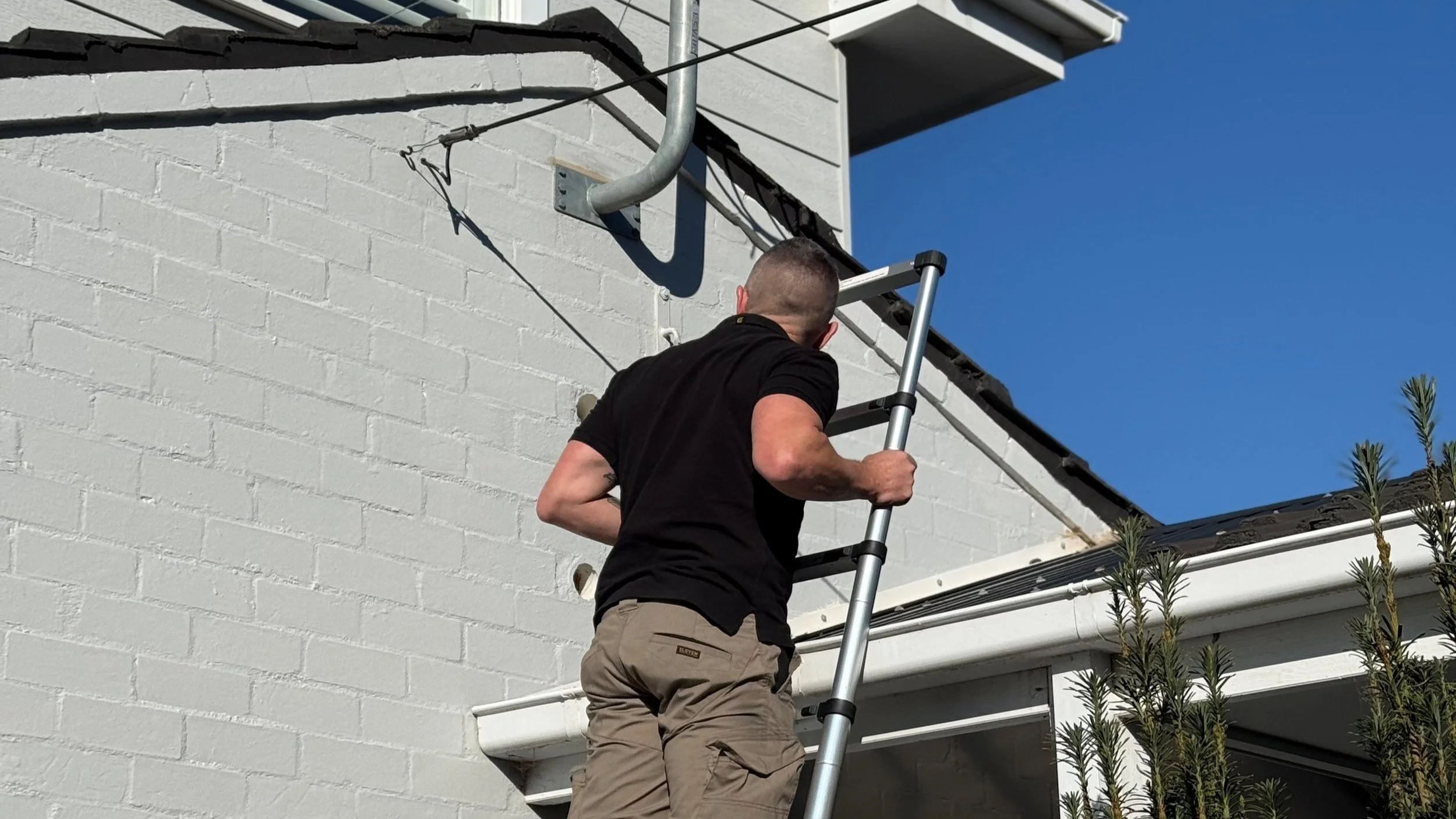
Gutter problems are one of the standout issues in Gardenvale, blocked gutters, water pooling, and gutters actively leaking all show up regularly, often together with stormwater drainage that isn't properly connected. Roof tiles weathered by age and cracking through walls and paving are common findings too, and we regularly see fencing deteriorating, timber exposed to the weather, and brickwork with cracking or deteriorating mortar. Subfloor ventilation is frequently inadequate, and wet area issues, deteriorating sealants, water-damaged surfaces, and ageing flexible hoses on tapware, come up often enough to be a clear pattern. Beyond routine wear, Gardenvale is a suburb where more serious findings genuinely turn up, suspected asbestos-containing materials, uneven flooring significant enough to register as a major defect, and elevated moisture readings pointing to a suspected leak behind a bathroom wall are all things we've identified here and recommend buyers take seriously rather than write off as cosmetic.
Termites and timber pests in Gardenvale
Gardenvale is one of the suburbs where we've recorded actual timber pest activity rather than just the conditions for it, both fungal decay and wood borer activity, including Lyctus borer, have turned up in inspections here. The conducive conditions line up closely with the drainage and moisture findings above, leaking gutters, water tanks that aren't sealed properly, plant debris left sitting in roof spaces, and subfloor ventilation that isn't up to the job all create exactly the damp, undisturbed environment timber pests need.
Why it matters before you sign anything
Given how often genuine timber pest activity and major defects turn up in Gardenvale's compact, century-old housing stock, an inspection isn't a formality here, it's the difference between buying a well-priced period home and buying a hidden repair bill.
Nearby Suburbs
Bentleigh, Bentleigh East, Brighton East, Carnegie, Caulfield, Caulfield East, Caulfield North, Caulfield South, Coatesville, Elsternwick, Glen Huntly, Hopetoun Gardens, McKinnon, Murrumbeena, Ormond and Patterson
Your Building and Pest Inspection Melbourne Journey
-
![]()
Step One: Request a Quote
Getting a building inspection started is easy. You can call, email, or simply fill out the quote form on our website. Just let us know:
The type of inspection you’re after
(e.g. pre purchase, timber pest, dilapidation)The property address
Your preferred date
We’ll get back to you quickly with a clear quote and walk you through what’s included. Once you're ready to go ahead, just share the contact details of the seller, agent or tenant, we’ll take care of the rest.
-
![]()
Step Two: Confirm the Building Inspection
Once you give us the go-ahead, we’ll get in touch with the relevant contact to schedule a time. Darren, our experienced Building Inspector, can usually offer a fast turnaround to suit your timeline.
We’ll confirm all the details with you, including the date and time, so you know exactly what’s happening and when.
-
![]()
Step Three: Inspection Day
Your Building Inspector will carry out a detailed inspection of all accessible areas, following the Australian Standards (AS 4349.1 for Building Inspections and AS 4349.3 for Timber Pest Inspections). Building Inspections usually take between 1.5 and 2 hours depending on the size of the property.
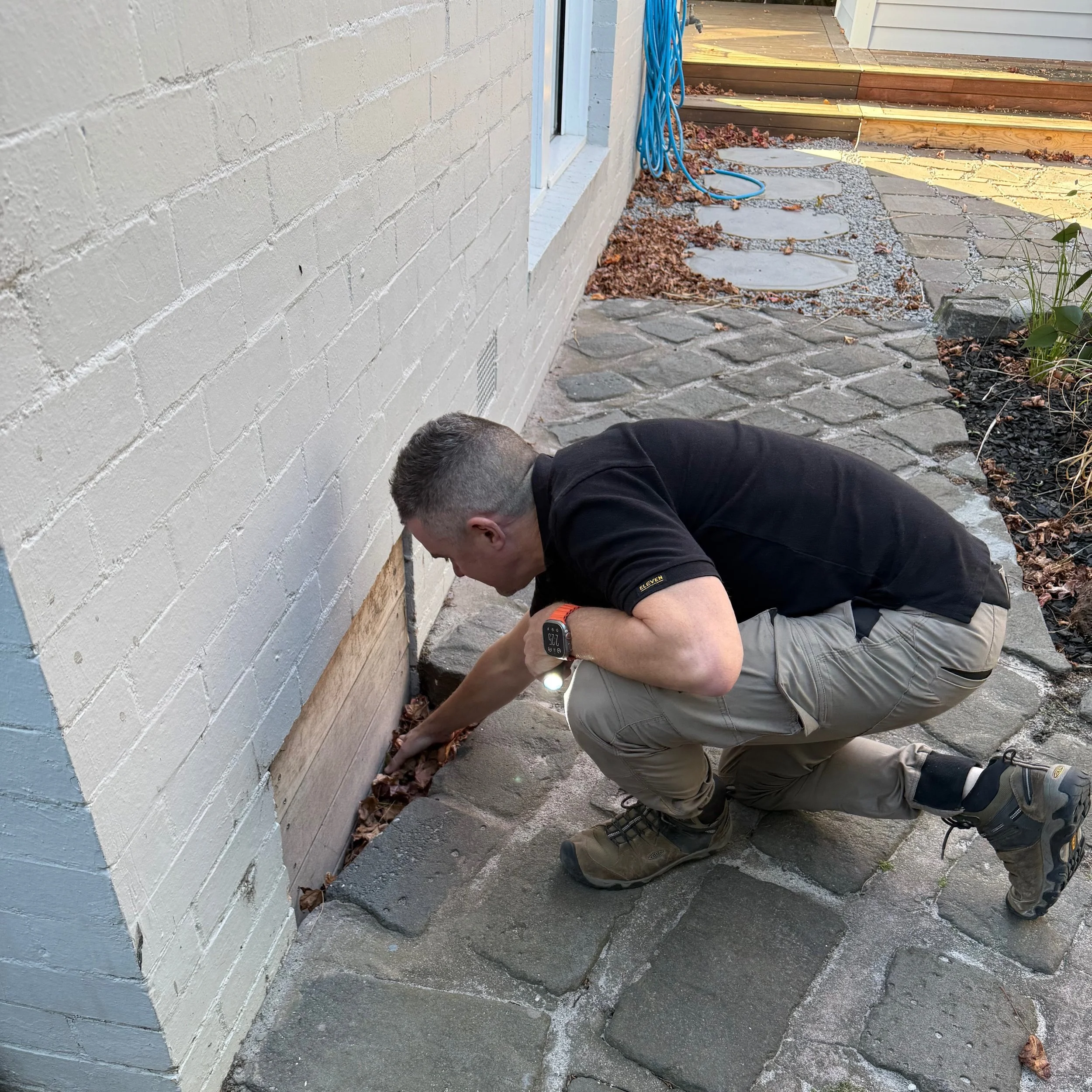
Using industry-leading tools such as moisture meters and thermal imaging cameras and drawing on his extensive building experience Darren will identify any issues, big or small. Every defect is carefully assessed and photographed for your report.
-
![]()
Step Four: Personal Feedback Call
After the building inspection, you will immediately receive a call to walk you through the key findings. You’ll get a clear picture of:
Any defects or damage
Their severity and urgency
What may require repairs, maintenance, or further advice
This is your chance to ask any questions and get honest, professional guidance, so you can make decisions with confidence.