Building and Pest Inspections in Malvern
Malvern's housing story starts with the 1878 rail extension, which turned pastoral land into Victorian villa country almost overnight. The boom years around Toorak Road and Glenferrie Road produced the grand residences the suburb is still known for, and after the 1890s downturn forced some of those estates into subdivision, council rules on block size and street frontage kept the rebuild leafy and generously proportioned. The result — described at the time as "a quiet, solid and leafy sea of red-roofed brick villas" — still largely holds, with pockets of later townhouse and low-rise apartment development filling in subdivided blocks closer to the shopping strip. It's a suburb where the age and quality of the original build varies more than the polished street presentation suggests.
What we commonly find in Malvern homes
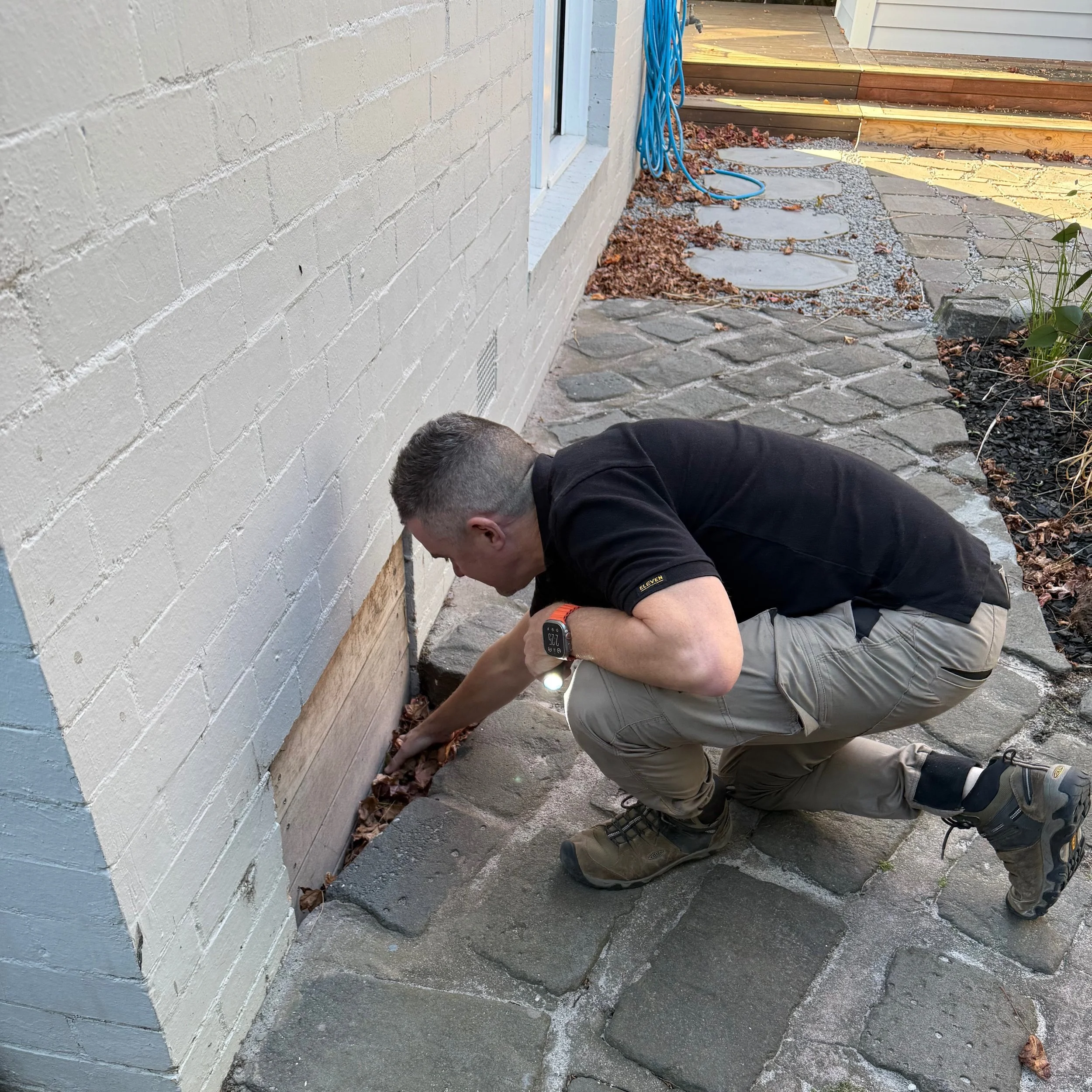
Sealant failure and poor subfloor ventilation are the main conditions we flag as conducive to termite attack in Malvern, consistent with the moisture-related issues that show up across our building findings here. Given the age of much of the suburb's housing stock, we treat termite risk assessment as a standard part of every inspection rather than an afterthought — older brick villas and their subfloors are exactly the kind of construction termites favour.
Why it matters before you sign anything
A well-kept street frontage in Malvern doesn't tell you much about what's happening in the roof space or subfloor of an individual property, particularly in a suburb with this much variation in original build quality and renovation history. An independent inspection gives you the facts — not the sales pitch — before you're financially committed.
Nearby Suburbs
Armadale, Glen Iris, Hawksburn, Kooyong, Malvern East, Prahran, South Yarra, Toorak and Windsor
Your Building and Pest Inspection Melbourne Journey
-
![]()
Step One: Request a Quote
Getting a building inspection started is easy. You can call, email, or simply fill out the quote form on our website. Just let us know:
The type of inspection you’re after
(e.g. pre purchase, timber pest, dilapidation)The property address
Your preferred date
We’ll get back to you quickly with a clear quote and walk you through what’s included. Once you're ready to go ahead, just share the contact details of the seller, agent or tenant, we’ll take care of the rest.
-
![]()
Step Two: Confirm the Building Inspection
Once you give us the go-ahead, we’ll get in touch with the relevant contact to schedule a time. Darren, our experienced Building Inspector, can usually offer a fast turnaround to suit your timeline.
We’ll confirm all the details with you, including the date and time, so you know exactly what’s happening and when.
-
![]()
Step Three: Inspection Day
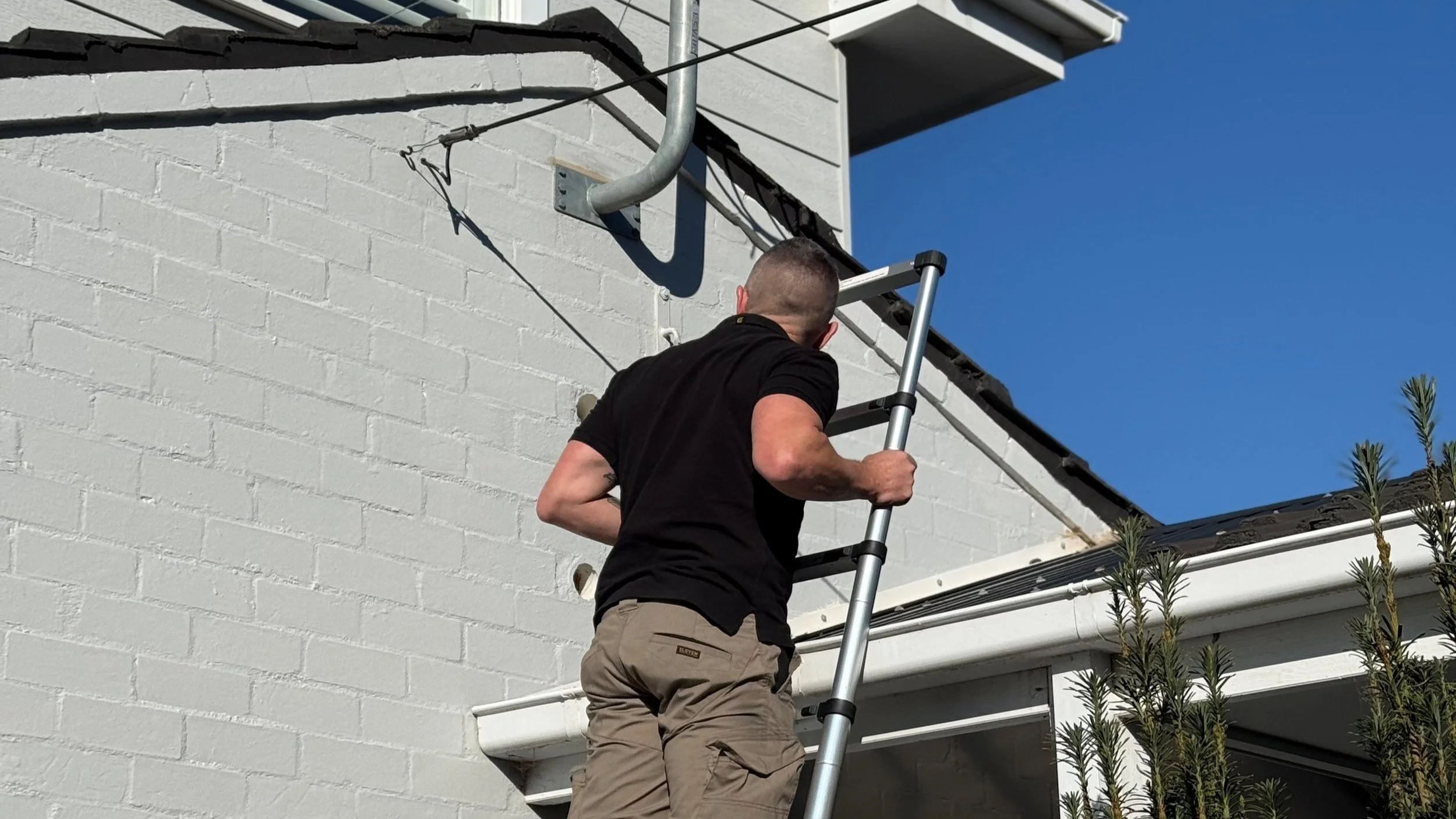
Your Building Inspector will carry out a detailed inspection of all accessible areas, following the Australian Standards (AS 4349.1 for Building Inspections and AS 4349.3 for Timber Pest Inspections). Building Inspections usually take between 1.5 and 2 hours depending on the size of the property.
Using industry-leading tools such as moisture meters and thermal imaging cameras and drawing on his extensive building experience Darren will identify any issues, big or small. Every defect is carefully assessed and photographed for your report.
-
![]()
Step Four: Personal Feedback Call
After the building inspection, you will immediately receive a call to walk you through the key findings. You’ll get a clear picture of:
Any defects or damage
Their severity and urgency
What may require repairs, maintenance, or further advice
This is your chance to ask any questions and get honest, professional guidance, so you can make decisions with confidence.