
The Termite Paradox: Why Live Termites Are Rare But The Conditions For Them Aren't
Here's something that surprises a lot of people once we explain it. Across dozens of inspections we've carried out over recent years, actual live termites (the insects themselves, caught in the act) are genuinely rare. What we find in nearly every single property, regardless of suburb, age or price point, is everything termites would need if they turned up. That's the paradox at the heart of every timber pest inspection Melbourne buyers ask us to carry out: the danger usually isn't an active infestation, it's an open invitation.
The Finding That Surprises Everyone
People expect a pest inspection to be a hunt for bugs. It's really a hunt for opportunity. In the vast majority of the properties we've inspected (new builds, older homes, coastal, regional, doesn't matter), the majority we come away without finding live termites at all. What we almost always find is a report full of conducive conditions. That term has a specific meaning under AS 4349.3, the Australian Standard covering timber pest inspections, and it's worth understanding properly.
What "Conducive Conditions" Actually Means
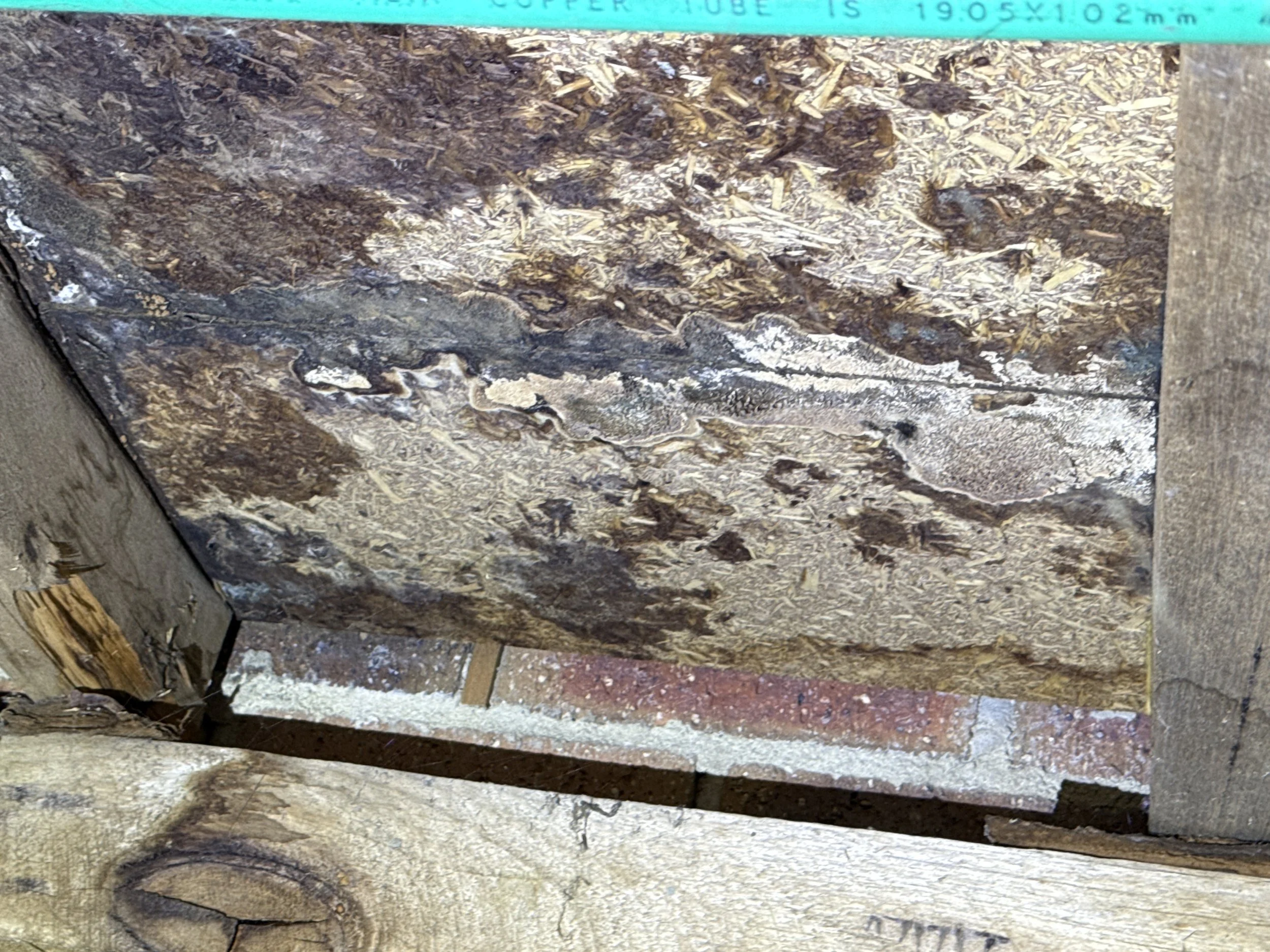
A conducive condition is any feature of a property that makes termite attack more likely, without termites actually being present yet. Trapped moisture. Timber in contact with the ground. Poor ventilation under a subfloor. Cover that lets termites move unseen. None of these are termites. All of them are exactly what termites are looking for when they're searching for a new home to move into.
The Usual Suspects, Almost Every Time
The same handful of conditions turn up on almost every property we inspect. Blocked weep holes, where soil, mulch or garden beds have crept up the brickwork and cut off the ventilation gap that's meant to keep wall cavities dry. Slab edges buried under paving or landscaping, removing the 75mm inspection zone that AS 3660 relies on to force termites into view. Missing ant caps on subfloor stumps, taking away the early warning signal a termite inspector depends on. Disconnected hot water service or air-conditioning overflow pipes, discharging straight onto the ground next to the footing instead of into stormwater. Gutters blocked with leaf litter, holding water against fascias and eaves. On their own, each of these looks minor. Together, they're a checklist for exactly the kind of damp, hidden, undisturbed environment termites need.
Fungal Decay: A Different Problem, the Same Root Cause
Fungal decay is related but not the same thing. It's actual damage: timber that's already broken down structurally because it's been exposed to continual damp conditions for long enough that decay fungus has taken hold. We find this in a real share of both new builds and older regional properties, and it always comes back to the same cause: moisture that had nowhere to go. Where we find confirmed decay, the affected timber generally needs replacing, not just monitoring. It's the difference between "this could become a problem" and "this already is one."
Why Rare Doesn't Mean Safe
It would be easy to read "we rarely find live termites" as reassurance to skip the inspection next time. That's exactly the wrong conclusion. Termites don't announce themselves early. By the time damage is obvious without specialist equipment, it's often well advanced and expensive to fix. The reason conducive conditions matter so much is that they're the leading indicator: the thing you can actually see and fix before there's ever an infestation to talk about. A property with no termites but every conducive condition on the list is, in a real sense, a higher near-term risk than a lot of buyers assume, precisely because nothing about it looks alarming on the surface.
What This Means for You as a Buyer or Owner
If you're buying, this is why the pest inspection report matters just as much when it comes back clean of termites as when it doesn't. Read the conducive conditions section carefully. It's telling you what maintenance to prioritise in year one (clearing weep holes, reconnecting overflow pipes, cutting back paving from the slab edge) long before any of it becomes a termite problem instead of a to-do list. If you already own the property, the same logic applies every time you have it checked again.
Book a Timber Pest Inspection and Get the Full Picture
We inspect to AS 4349.3 on every job, and we report conducive conditions in plain English with photos, not just a tick box that says "no termites found." That distinction is exactly what protects you long-term. Book a timber pest inspection with Darren Lever and the team at Littlefire Building Inspections at www.littlefire.com.au, and find out not just whether termites are there now, but whether your home is quietly asking them to move in.