
Building and Pest Inspection Thornbury
Thornbury sits between Northcote and Preston, sharing the same Victorian and Edwardian terrace and Californian bungalow character as its more famous neighbour, and it has been steadily gentrifying in recent years. Renovated homes now sit close to properties that have had little more than routine upkeep, which makes the condition of any individual property harder to judge just by walking through it. A proper inspection cuts through that and tells you what's actually there.
What we commonly find in Thornbury homes
Suspected asbestos on site is a finding we flag in Thornbury's older homes, and around the roof we regularly see blocked gutters and drains, corroded roof plumbing, and weathered tiles. Non-compliant plumbing work and stormwater drains left unconnected are recurring issues, alongside cracked and unevenly laid paving, cracks in walls requiring repair, and render showing surface cracking on newer external finishes. Wood rot and timber left exposed to the weather are common in Thornbury's older stock, as are deteriorating sealants in wet areas, uneven flooring, and subfloor areas lacking proper ventilation.
Termites and timber pests in Thornbury
Fungal decay and Lyctus borer activity have both been confirmed in Thornbury roof spaces, and the conducive conditions we've identified are extensive, including subfloor ventilation that isn't up to standard, hot water and air conditioning overflows left unconnected, missing ant capping, and stormwater drainage that hasn't been properly connected. Building materials sitting in direct contact with the ground add to the risk, particularly in the suburb's older Victorian and Edwardian era homes.
Why it matters before you sign anything
Thornbury's blend of freshly renovated homes and original Victorian and Edwardian stock means street appeal alone won't tell you what condition a property is really in. An inspection gives you the detail you need before you make an offer.
Nearby Suburbs
Alphington, Bundoora, Coburg, Coburg North, Fairfield, Keon Park, Kingsbury, Macleod, Northcote, Preston, Regent West and Reservoir
Your Building and Pest Inspection Melbourne Journey
-
![]()
Step One: Request a Quote
Getting a building inspection started is easy. You can call, email, or simply fill out the quote form on our website. Just let us know:
The type of inspection you’re after
(e.g. pre purchase, timber pest, dilapidation)The property address
Your preferred date
We’ll get back to you quickly with a clear quote and walk you through what’s included. Once you're ready to go ahead, just share the contact details of the seller, agent or tenant, we’ll take care of the rest.
-
![]()
Step Two: Confirm the Building Inspection
Once you give us the go-ahead, we’ll get in touch with the relevant contact to schedule a time. Darren, our experienced Building Inspector, can usually offer a fast turnaround to suit your timeline.
We’ll confirm all the details with you, including the date and time, so you know exactly what’s happening and when.
-
![]()
Step Three: Inspection Day
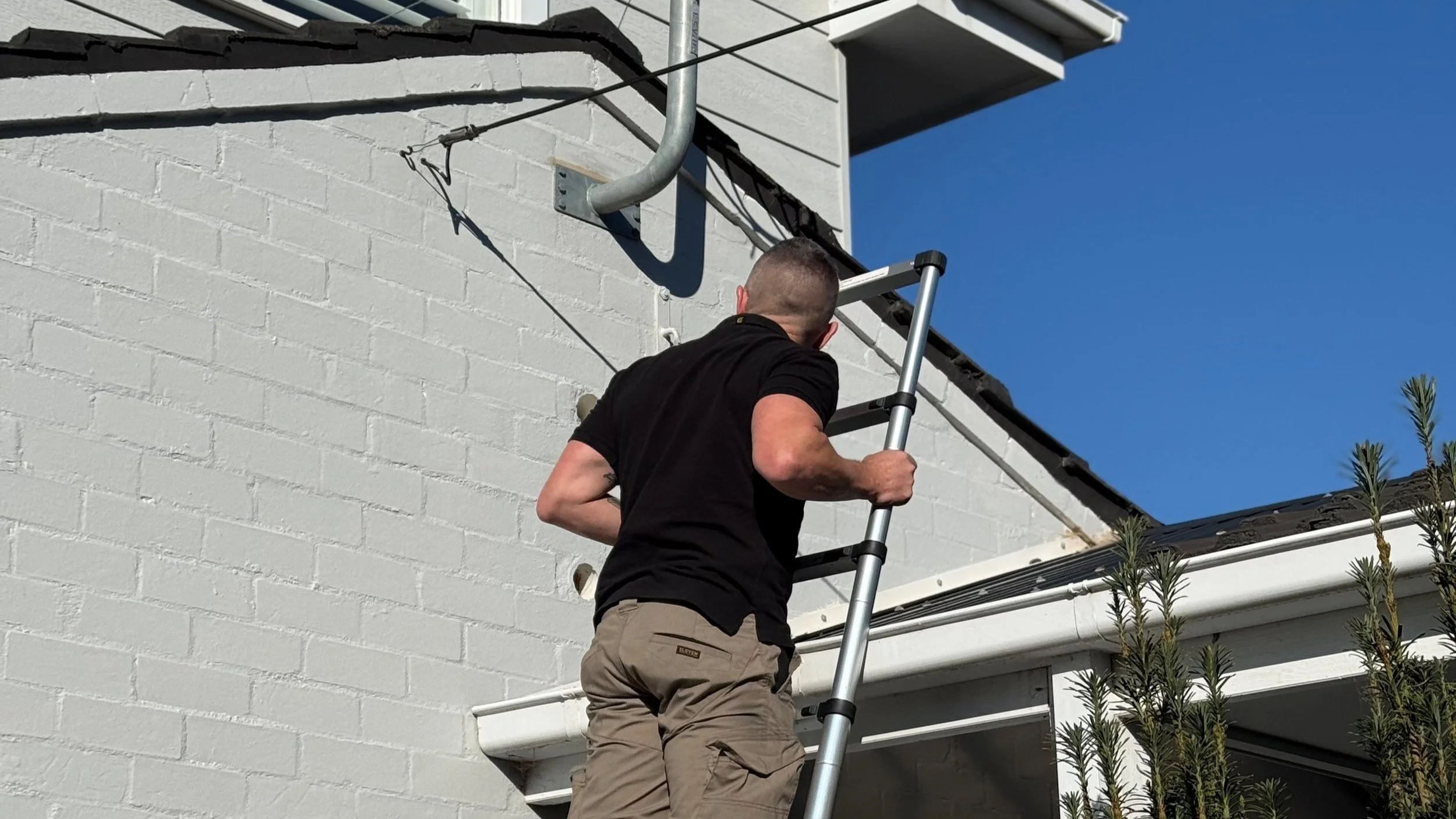
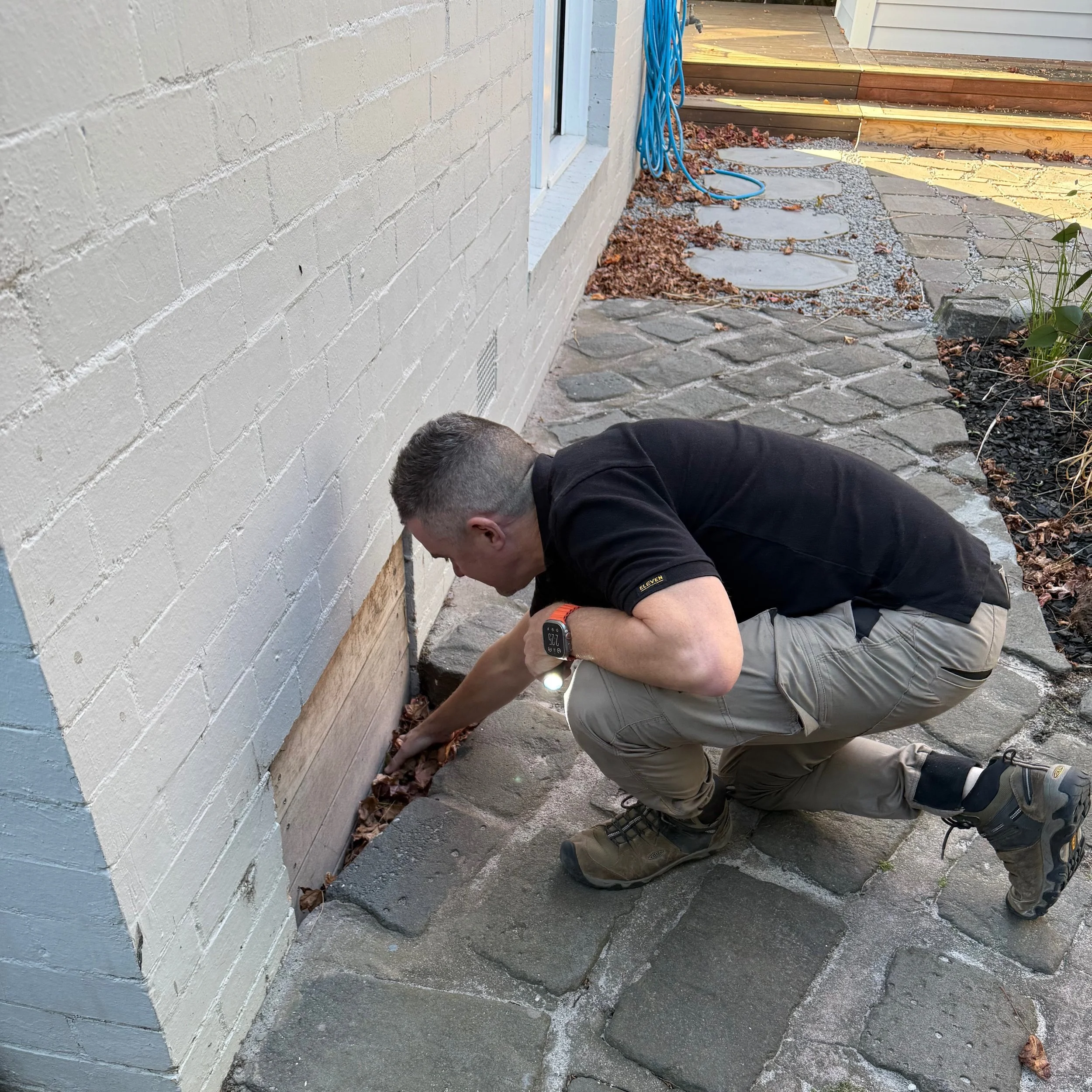
Your Building Inspector will carry out a detailed inspection of all accessible areas, following the Australian Standards (AS 4349.1 for Building Inspections and AS 4349.3 for Timber Pest Inspections). Building Inspections usually take between 1.5 and 2 hours depending on the size of the property.
Using industry-leading tools such as moisture meters and thermal imaging cameras and drawing on his extensive building experience Darren will identify any issues, big or small. Every defect is carefully assessed and photographed for your report.
-
![]()
Step Four: Personal Feedback Call
After the building inspection, you will immediately receive a call to walk you through the key findings. You’ll get a clear picture of:
Any defects or damage
Their severity and urgency
What may require repairs, maintenance, or further advice
This is your chance to ask any questions and get honest, professional guidance, so you can make decisions with confidence.


Most common questions for Building and Pest Inspection Thornbury
-
A combined building and pest inspection starts from $490 for a one bedroom apartment, up to $650 for a three or four bedroom home. Get an exact quote for your Thornbury property when you book.
-
A typical inspection takes 1.5 to 2 hours. We don't rush through inspections, taking the time to check the details properly is the whole point. Darren calls you after every inspection to talk you through the findings directly, then your full written report follows within 24 hours, and he's available afterwards if you have any follow-up questions.
-
Our building and pest inspections cover both in the one visit, so you don't need to book a separate pest inspector. Timber pest inspections are also available as a standalone service if you only need that component.
-
Thornbury's older single storey homes can turn up asbestos risk alongside a longer list of general wear. In one recent Thornbury inspection, suspected asbestos was flagged as a serious safety hazard, and minor items included blocked guttering, rusted roof plumbing, cracking to the exterior concrete paving and uneven internal flooring. No major defects were found, but the subfloor's lack of ventilation was noted as a condition conducive to pest activity. It's the kind of combination that's easy to miss without a proper inspection before you buy in Thornbury.
-
It's worth checking properly rather than assuming a property is fine because it looks fine. In that same Thornbury inspection, the timber pest report confirmed wood rot to the external timbers and wood borer damage in the roof space timbers, both active findings rather than just risk factors. No ant caps had been installed to the subfloor stumps, exactly the kind of gap that lets pest activity go unnoticed. Confirmed timber pest damage like this is why the pest side of an inspection matters just as much as the building side in Thornbury.