
Building and Pest Inspection Hawthorn
Hawthorn was one of Melbourne's earliest boom suburbs, and it shows: the 1880s land boom filled the streets with grand Victorian mansions and estates for the well-to-do, while single-fronted timber and brick workers' cottages went up just streets away for the tradesmen and factory hands who kept the suburb running. Local claypits produced the distinctive pink, black and brown bricks you still see across Hawthorn's facades today, and as the twentieth century wore on, a huge share of those big Victorian houses were carved up into flats, so by the early 1980s nearly half of all dwellings in Hawthorn were apartments. The upshot is a suburb genuinely stacked with different eras and construction types side by side, from original Victorian terraces and cottages through to Edwardian villas, converted flats, and newer townhouses and apartment blocks. An inspection here has to be pitched to the specific building in front of it, because "typical for Hawthorn" covers an enormous range.
What we commonly find in Hawthorn homes
Given how much of Hawthorn's stock is a century or more old, it's no surprise that brickwork cracking, uneven flooring and rising damp are recurring findings, along with rusted or corroded roof plumbing, weathered roof tiles, and deteriorating mortar in older brickwork. Blocked or pooling gutters, wood rot in external timber, sealants failing in wet areas and subfloor ventilation problems are consistent across the board, and inadequate roof insulation turns up often enough in older roof spaces to be worth flagging on its own. We also regularly see cosmetic wear such as tired kitchen cabinetry, cracked render, and doors and windows binding on their frames. On the more serious end, Hawthorn's older housing stock has thrown up genuinely significant findings often enough to take seriously: exposed electrical wiring, roof structures that have been altered or modified without proper documentation, building subsidence, unstable internal walls, and window openings that don't meet current safety requirements. None of these are automatic deal-breakers, but in a suburb with this much older housing stock they need a trained eye rather than a walk-through.
Termites and timber pests in Hawthorn
Hawthorn returns some of the more serious timber pest findings we see across Boroondara. Fungal decay in external timber is a recurring theme, and we regularly identify actual Lyctus borer activity, including damage to subfloor timber, alongside outright termite workings and damage in some properties. The conditions behind this are consistent with the defects already mentioned: rusted roof plumbing and blocked gutters keeping timber damp, sealants failing in wet areas, and building materials sitting in direct contact with the ground rather than being properly separated from it. Given the amount of original timber framing, stumps and subfloor structure still doing structural work across Hawthorn's older housing, this is one suburb where the timber pest section of your report deserves as much attention as the building section.
Why it matters before you sign anything
Hawthorn's mix of grand Victorian houses, converted flats, and everything built since means a property's age and appearance tell you very little about what's actually happening structurally. With genuine findings around altered roof structures, subsidence and active timber pest damage turning up regularly in this suburb, an independent inspection isn't optional due diligence, it's the difference between knowing what you're buying and hoping for the best.
Nearby Suburbs
Ashburton, Balwyn, Balwyn North, Burwood, Camberwell, Canterbury, Deepdeene, Glen Iris, Glenferrie South, Greythorn, Hawthorn East, Kew, Kew East, Mont Albert and Surrey Hills
Your Building and Pest Inspection Melbourne Journey
-
![]()
Step One: Request a Quote
Getting a building inspection started is easy. You can call, email, or simply fill out the quote form on our website. Just let us know:
The type of inspection you’re after
(e.g. pre purchase, timber pest, dilapidation)The property address
Your preferred date
We’ll get back to you quickly with a clear quote and walk you through what’s included. Once you're ready to go ahead, just share the contact details of the seller, agent or tenant, we’ll take care of the rest.
-
![]()
Step Two: Confirm the Building Inspection
Once you give us the go-ahead, we’ll get in touch with the relevant contact to schedule a time. Darren, our experienced Building Inspector, can usually offer a fast turnaround to suit your timeline.
We’ll confirm all the details with you, including the date and time, so you know exactly what’s happening and when.
-
![]()
Step Three: Inspection Day
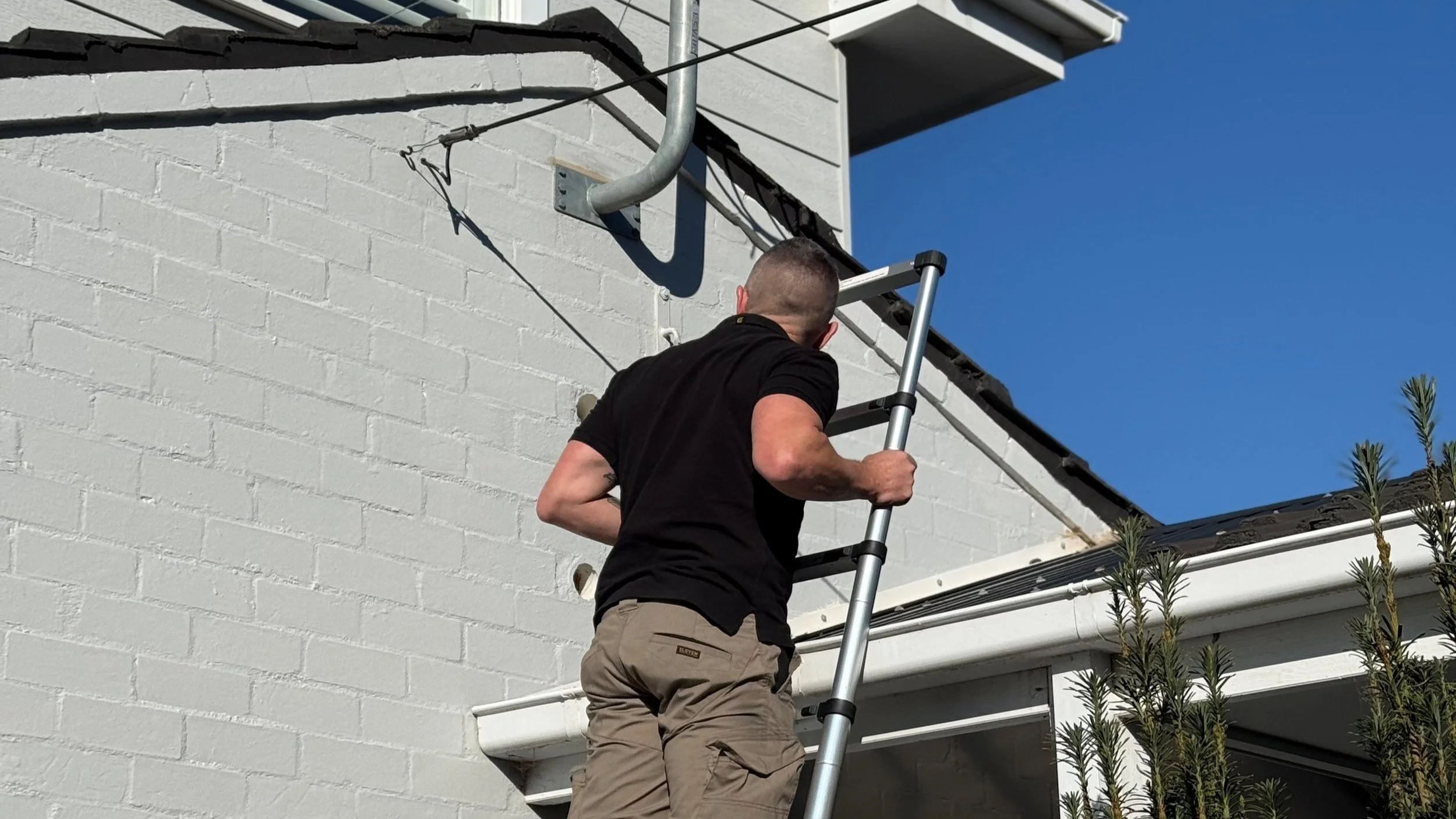
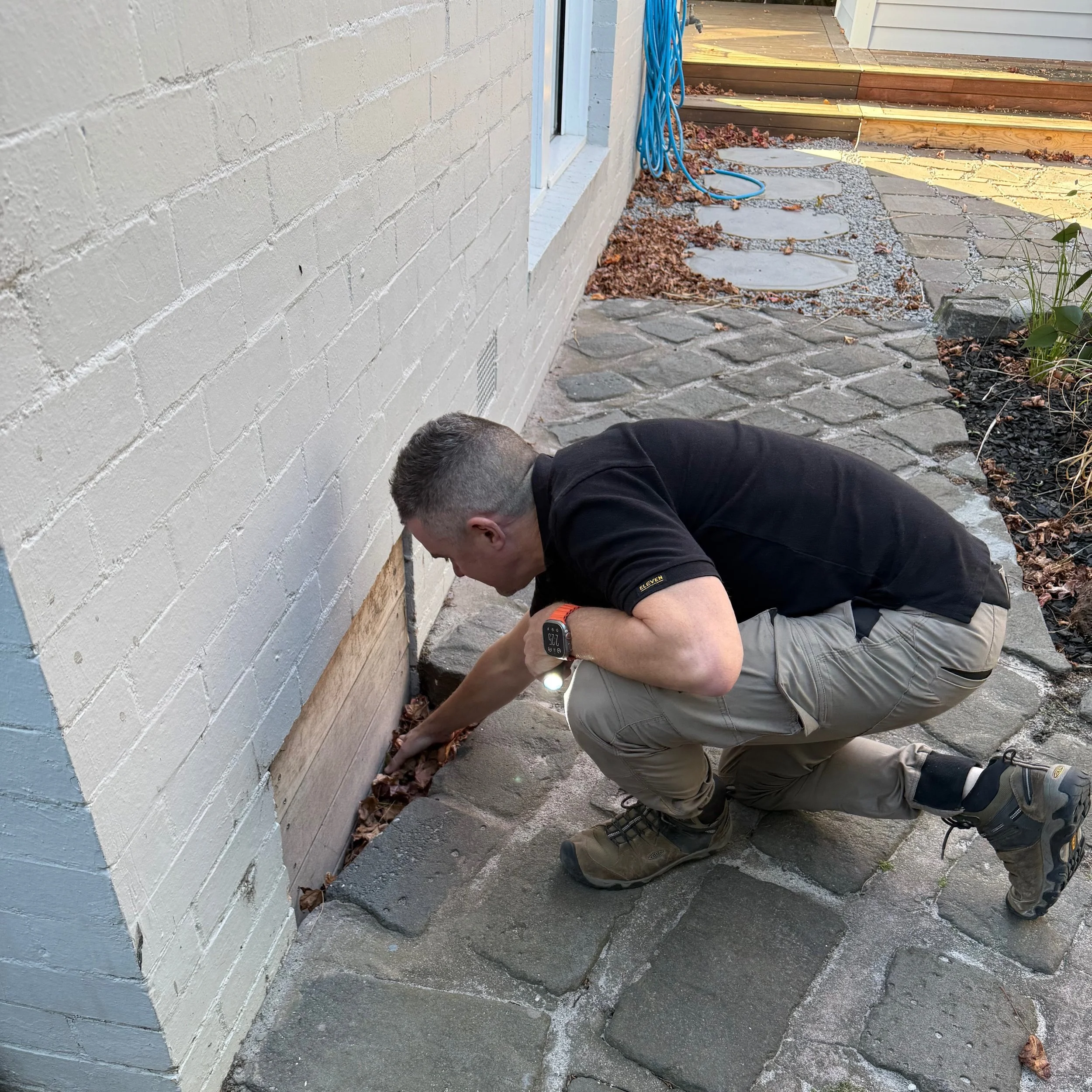
Your Building Inspector will carry out a detailed inspection of all accessible areas, following the Australian Standards (AS 4349.1 for Building Inspections and AS 4349.3 for Timber Pest Inspections). Building Inspections usually take between 1.5 and 2 hours depending on the size of the property.
Using industry-leading tools such as moisture meters and thermal imaging cameras and drawing on his extensive building experience Darren will identify any issues, big or small. Every defect is carefully assessed and photographed for your report.
-
![]()
Step Four: Personal Feedback Call
After the building inspection, you will immediately receive a call to walk you through the key findings. You’ll get a clear picture of:
Any defects or damage
Their severity and urgency
What may require repairs, maintenance, or further advice
This is your chance to ask any questions and get honest, professional guidance, so you can make decisions with confidence.


Most common questions for Building and Pest Inspection Hawthorn
-
A combined building and pest inspection starts from $490 for a one bedroom apartment, up to $650 for a three or four bedroom home. Get an exact quote for your Hawthorn property when you book.
-
A typical inspection takes 1.5 to 2 hours. We don't rush through inspections, taking the time to check the details properly is the whole point. Darren calls you after every inspection to talk you through the findings directly, then your full written report follows within 24 hours, and he's available afterwards if you have any follow-up questions.
-
Our building and pest inspections cover both in the one visit, so you don't need to book a separate pest inspector. Timber pest inspections are also available as a standalone service if you only need that component.
-
Hawthorn's older homes mean structural items like wall movement and ageing plumbing show up more often than in newer suburbs, alongside general pest pressure from established gardens close to the house. In one recent Hawthorn inspection, we found an unstable wall and a leaking shower classed as major defects, plus confirmed termite activity and fungal decay in the subfloor, an extremely high pest-risk result. Every property is different, which is exactly why a proper inspection before you buy in Hawthorn matters.
-
It's a real risk worth checking, particularly in older weatherboard homes with established gardens. We've found confirmed termite activity in recent Hawthorn inspections, including cases with no obvious visible signs beforehand, which is why a professional timber pest inspection is worth doing even if the property looks fine on the surface.