
Building and Pest Inspections in Hawthorn East
Hawthorn East developed in two distinct waves. The northern end, close to the railway and later the tram line, filled up with Victorian and Edwardian housing by the turn of the century, while the southern end stayed largely paddocks until the interwar years, when it filled out with housing built around the new normal of a car in every driveway. Local brickworks once operated on clay dug from the area before the pits were turned into parks, and today the suburb carries on developing, with row houses and flats now making up more than half of all dwellings as older blocks get subdivided or redeveloped. That layering of Victorian, interwar and contemporary stock, often within the same street, means a Hawthorn East inspection needs to account for genuinely different construction eras standing side by side.
What we commonly find in Hawthorn East homes
Across Hawthorn East's mix of townhouses, apartments and houses, the pattern is a familiar one for inner-east Boroondara: blocked gutters and drains, deteriorating sealants in wet areas, weathered roof tiles, and cracking through render and brickwork, particularly step cracking. Moisture staining and tile efflorescence in bathrooms are consistent findings, along with wood rot in external timber, condensation in bathrooms, and general wear like corroded plumbing connections and flexi hoses overdue for replacement. Less frequently, but seriously enough to flag, we identify suspected asbestos on site, brickwork cracking that goes beyond cosmetic, and roof leaks and window leaks that have already caused visible damage internally. Window openings falling short of current safety width standards is another recurring compliance gap worth checking for specifically.
Termites and timber pests in Hawthorn East
Fungal decay in external timber is one of the more consistent findings in Hawthorn East, and we've also identified genuine wood borer activity in some properties. The conducive conditions line up with what's already showing as defects: blocked gutters, deteriorating sealants, hot water and air conditioning units draining against the building instead of away from it, and building materials sitting in direct contact with the ground. Obscured slab edges and weep holes are also a recurring issue, which limits how much an inspector can see without some further investigation.
Why it matters before you sign anything
Fungal decay in external timber is one of the more consistent findings in Hawthorn East, and we've also identified genuine wood borer activity in some properties. The conducive conditions line up with what's already showing as defects: blocked gutters, deteriorating sealants, hot water and air conditioning units draining against the building instead of away from it, and building materials sitting in direct contact with the ground. Obscured slab edges and weep holes are also a recurring issue, which limits how much an inspector can see without some further investigation.
With Hawthorn East's older Victorian and Edwardian stock now sitting alongside heavily subdivided flats and row houses, the building type you're looking at tells you very little about what's underneath it. Getting an independent inspection means you're working from an accurate picture of the property's condition rather than the assumptions its age or style might suggest.
Nearby Suburbs
Ashburton, Balwyn, Balwyn North, Burwood, Camberwell, Canterbury, Deepdeene, Glen Iris, Glenferrie South, Greythorn, Hawthorn, Kew, Kew East, Mont Albert and Surrey Hills
Your Building and Pest Inspection Melbourne Journey
-
![]()
Step One: Request a Quote
Getting a building inspection started is easy. You can call, email, or simply fill out the quote form on our website. Just let us know:
The type of inspection you’re after
(e.g. pre purchase, timber pest, dilapidation)The property address
Your preferred date
We’ll get back to you quickly with a clear quote and walk you through what’s included. Once you're ready to go ahead, just share the contact details of the seller, agent or tenant, we’ll take care of the rest.
-
![]()
Step Two: Confirm the Building Inspection
Once you give us the go-ahead, we’ll get in touch with the relevant contact to schedule a time. Darren, our experienced Building Inspector, can usually offer a fast turnaround to suit your timeline.
We’ll confirm all the details with you, including the date and time, so you know exactly what’s happening and when.
-
![]()
Step Three: Inspection Day
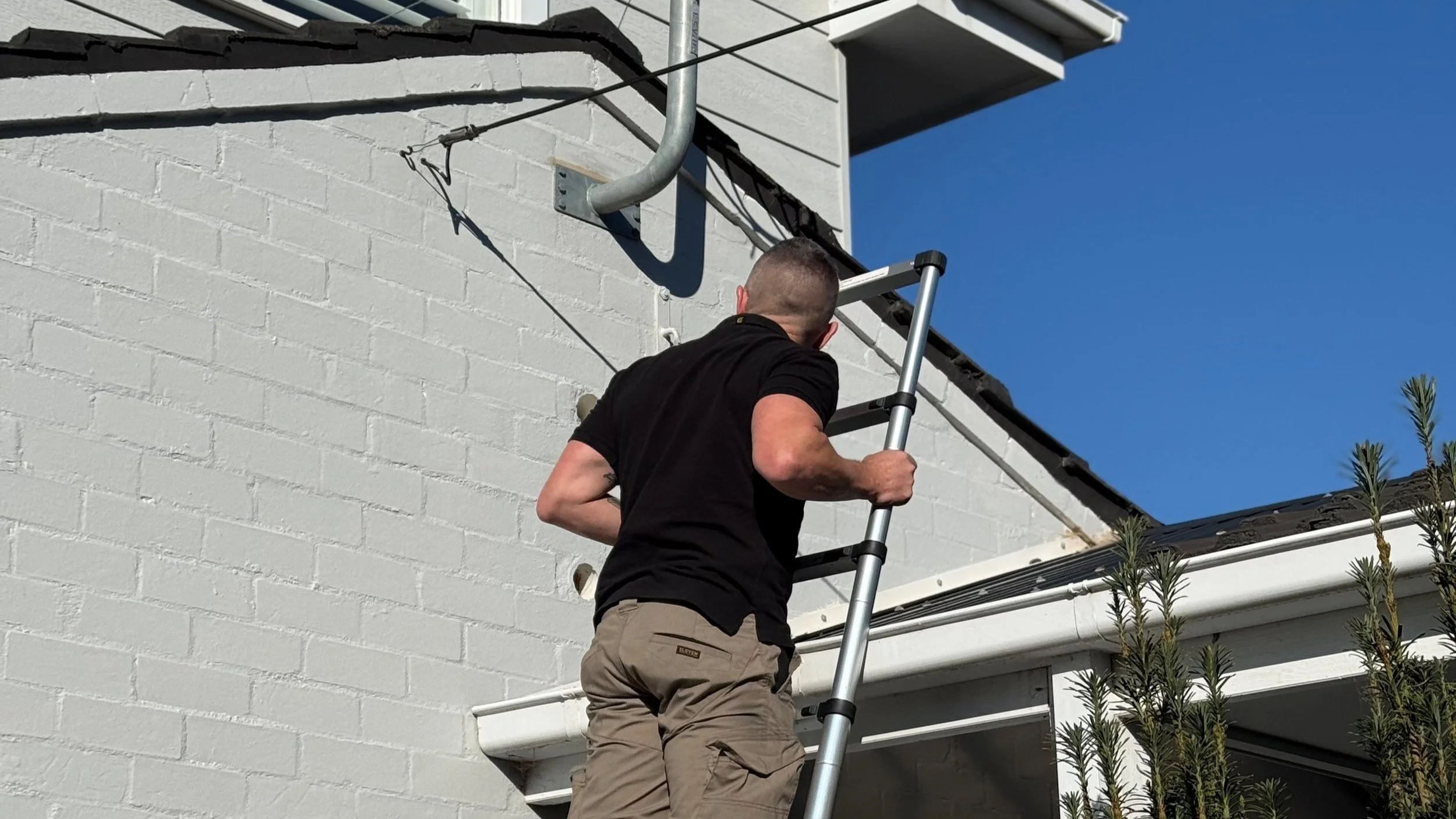
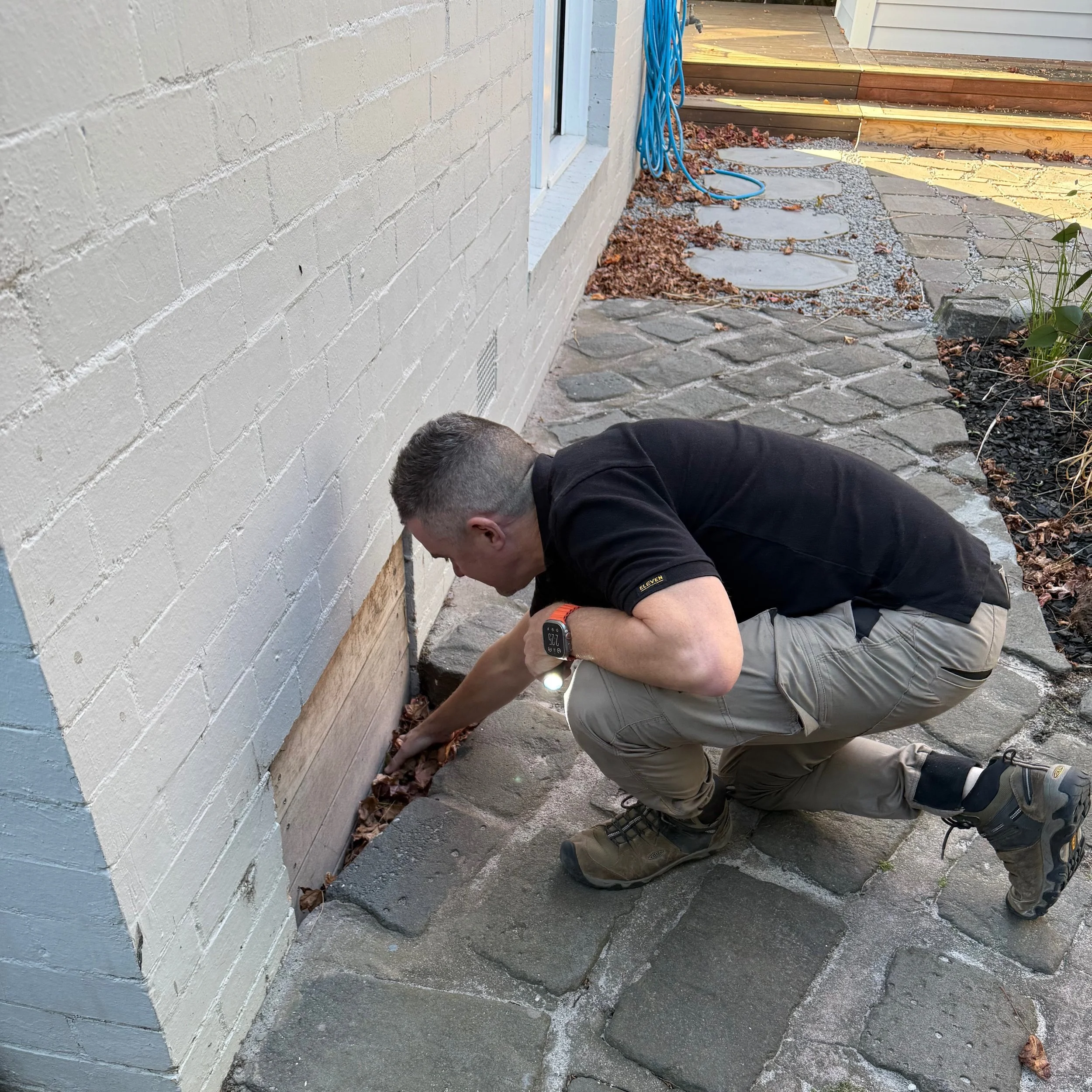
Your Building Inspector will carry out a detailed inspection of all accessible areas, following the Australian Standards (AS 4349.1 for Building Inspections and AS 4349.3 for Timber Pest Inspections). Building Inspections usually take between 1.5 and 2 hours depending on the size of the property.
Using industry-leading tools such as moisture meters and thermal imaging cameras and drawing on his extensive building experience Darren will identify any issues, big or small. Every defect is carefully assessed and photographed for your report.
-
![]()
Step Four: Personal Feedback Call
After the building inspection, you will immediately receive a call to walk you through the key findings. You’ll get a clear picture of:
Any defects or damage
Their severity and urgency
What may require repairs, maintenance, or further advice
This is your chance to ask any questions and get honest, professional guidance, so you can make decisions with confidence.


Most common questions for Building and Pest Inspection Hawthorn East
-
A combined building and pest inspection starts from $490 for a one bedroom apartment, up to $650 for a three or four bedroom home. Get an exact quote for your Hawthorn East property when you book.
-
A typical inspection takes 1.5 to 2 hours. We don't rush through inspections, taking the time to check the details properly is the whole point. Darren calls you after every inspection to talk you through the findings directly, then your full written report follows within 24 hours, and he's available afterwards if you have any follow-up questions.
-
Our building and pest inspections cover both in the one visit, so you don't need to book a separate pest inspector. Timber pest inspections are also available as a standalone service if you only need that component.
-
Hawthorn East's apartment stock generally comes back clean, but a proper inspection still matters. In one recent Hawthorn East apartment inspection, there were no major defects and no termite damage, just minor items like blocked guttering, worn sealants and some general cracking, with a few areas not fully accessible at the time. Conditions were still rated high risk for future pest activity, so even a straightforward apartment is worth having properly checked before you buy in Hawthorn East.