
The Bathroom Sealant Problem That Shows Up in Almost Every Melbourne Inspection
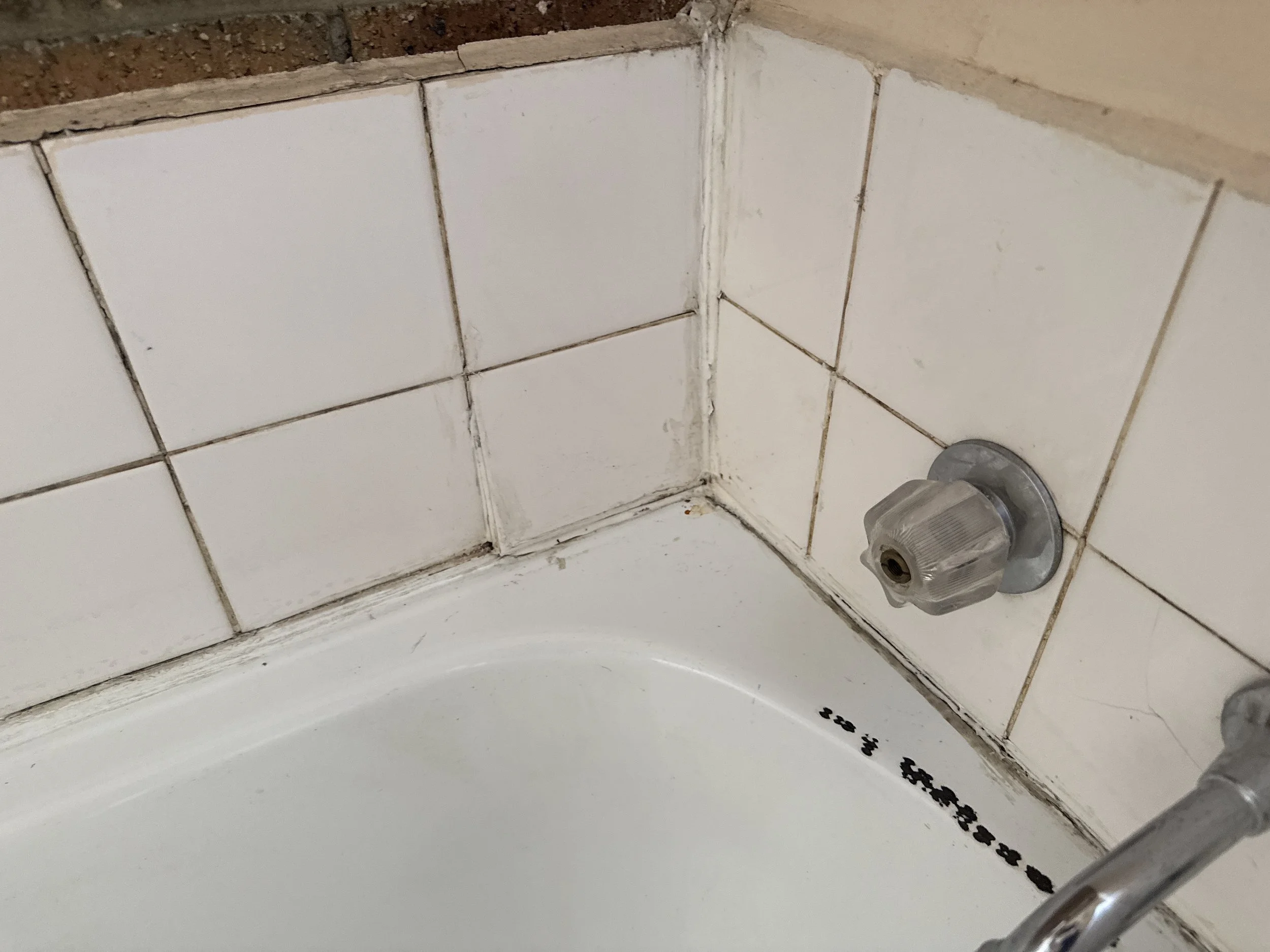
Ask our inspector Darren at Littlefire what the single most common finding is across a Melbourne building and pest inspection, and you'll get the same answer. It's not the roof. It's not the subfloor. It's degraded sealant and grout in the bathroom. We find it in the large majority of the houses and apartments we inspect, across every price bracket and every era of construction. It's so consistent it's practically the default finding in wet areas across inner and bayside Melbourne.
What We're Actually Finding in the Shower Recess
The pattern is almost always the same. Sealant around the shower base, in the corners of the tiled alcove, or along the grout lines has cracked, shrunk, or come away from the surface. Often there's visible mould in it. Once the sealant fails, water that's meant to stay inside the shower gets past it and into the substrate: the wall sheeting, timber framing, or floor structure sitting behind the tiles. You can't see any of that from the bathroom. That's exactly the problem.
This isn't a sign of a badly built house. It happens in a 1970s brick veneer in Malvern East just as often as it happens in a Victorian terrace in Carlton, or an apartment in St Kilda. Sealant is a maintenance item with a limited lifespan, and it's one of the most neglected parts of a home because nobody thinks about it until something's visibly wrong.
Why It's Not Just a Cosmetic Fix
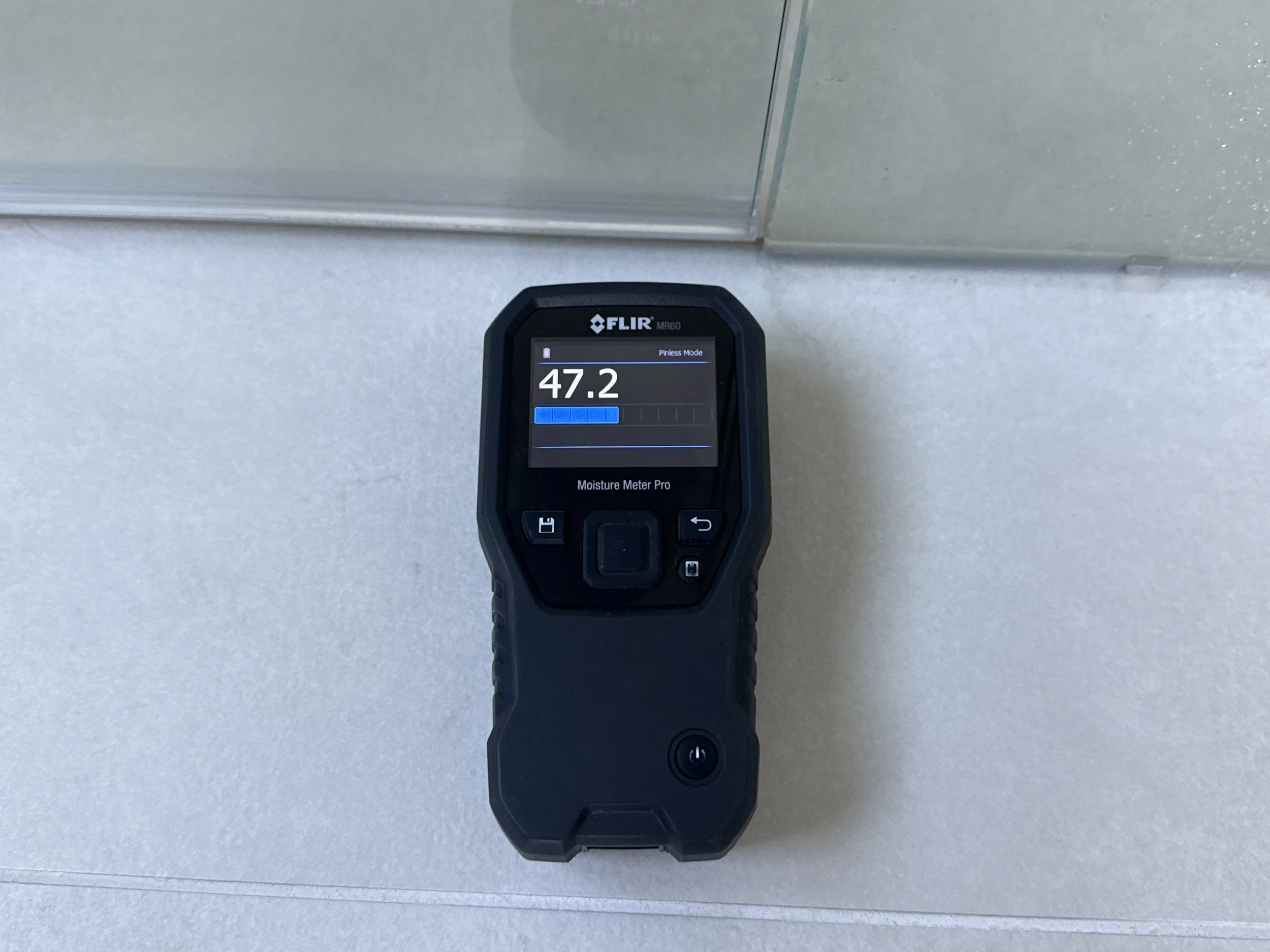
It's tempting to look at a bit of tired, mouldy sealant and think it's a five-minute job for whoever moves in. Sometimes it is. But the risk isn't the sealant itself. It's what's happening behind it while nobody's looking. Water finding its way into a wall cavity or under a shower base over months or years doesn't announce itself. By the time you can see swelling in the skirting board or smell dampness in the ensuite, the damage has usually been building for a while. Our standard recommendation is for a sealant specialist or tiling contractor to attend as soon as possible, not because it's an emergency in every case, but because the cost of fixing it early is nothing compared to the cost of fixing what it causes later.
When It Escalates: The Major Defect Version
In a smaller number of inspections, we find something more serious with the moisture meter: an active leak coming from the shower base or shower wall itself, not just failed sealant around the edges. This gets classed as a Major Defect. It usually points to a failing waterproofing membrane underneath the tiles, or a leaking pipe within the wall. Left alone, this doesn't stay contained to the bathroom. Water travels, and we've seen it show up as damage in the room next door, on the ceiling below, or in a hallway well away from where the actual leak is. It's also, unsurprisingly, exactly the kind of ongoing moisture source that creates ideal conditions for mould and termite activity.
The Same Finding, Twice: Property Section and Timber Pest Section
If you've read a Littlefire report before, you'll have noticed degraded bathroom sealant doesn't just appear once. We log it as a defect in the Property section under AS 4349.1, because it's a building maintenance issue. Then it turns up again in the Timber Pest section under AS 4349.3, listed as a condition conducive to timber pest attack. That's deliberate, not repetitive. Degraded wet-area sealant is one of the most common ways moisture gets into wall cavities and subfloor timber, and moisture in timber is exactly what termites and fungal decay need to get started. One problem, assessed from two angles, because it genuinely creates two separate risks.
Apartments Have Their Own Version: The Balcony
If you're looking at units rather than houses, the bathroom issue has a close cousin: the balcony. Degraded sealant and waterproofing around balcony doors and edges, often paired with efflorescence showing up in the tile grout (that white, chalky mineral deposit that tells you water has been moving through the surface), is close to a default finding in the apartment stock we inspect. Balconies cop weather directly, their drainage points are easy to overlook, and poor drainage compounds the sealant problem fast. It's common enough that every apartment report we write includes a note on balcony drainage maintenance, regardless of the building's age.
What This Means When You're Buying
None of this means walk away from a property because of tired bathroom sealant. If that were the rule, almost nothing in Melbourne would sell. What it means is: don't assume it's trivial just because it's common. Get the extent of it properly assessed, find out whether the moisture meter picked up anything beyond surface level, and get a sealant specialist or tiling contractor to quote on the fix before contracts become binding. If your inspection turns up the Major Defect version (an active leak, not just failed sealant), treat that as a genuine negotiating point, not a minor touch-up.
Book a Building and Pest Inspection With Littlefire
We check every wet area, shower recess and balcony with a moisture meter as standard, not as an afterthought, because it's where we find problems most often. If you're about to make an offer on a house or apartment anywhere across bayside or greater Melbourne, book a building and pest inspection with Littlefire through www.littlefire.com.au and get a clear, photo-rich report before contracts become binding.