
What is a Pre-Purchase Building Inspection?
Pre-Purchase Building Inspections: What to Check Before You Buy

The kitchen’s been updated. The walls have a fresh coat of paint. The garden looks well cared for. But what’s happening under the floor, inside the roof space, or around that shower?
An open home gives you a feel for a property. A pre-purchase building inspection helps you understand its condition and the work you might be taking on.
Before you start planning where the furniture goes, here’s what’s worth knowing.
What Is a Pre-Purchase Building Inspection?
A pre-purchase building inspection is an assessment of a property’s visible, accessible condition before you buy. It looks for defects, deterioration and safety concerns, with the findings recorded in a written report.
That report should help answer some practical questions. What needs attention? How serious is it? Does anything need further investigation? What maintenance should you plan for?
Every property has a history. An inspection helps you understand what that history means for its next owner.
Why It Matters Before You Commit
Buying a home comes with plenty of competing decisions. Location, price, floor plan, school zones. Building condition deserves the same attention.
A defect might involve straightforward maintenance. It might require a specialist assessment or substantial repairs. Knowing the difference helps you decide whether the property suits your budget, your plans and your appetite for work.
The findings can also inform discussions about the price or repairs. Any options after signing depend on your contract and circumstances, so speak with your conveyancer or solicitor before making commitments.
What Does a Building Inspection Cover?
The inspection focuses on areas that can be safely accessed and assessed. At Littlefire, the building assessment follows AS 4349.1 and includes visible structural components, moisture concerns, external structures and safety hazards. See our pre-purchase building inspection service for the full scope.
Walls, Floors and Roof Structure
Cracking, uneven floors, sagging and deteriorating timber can provide clues about a building’s condition.
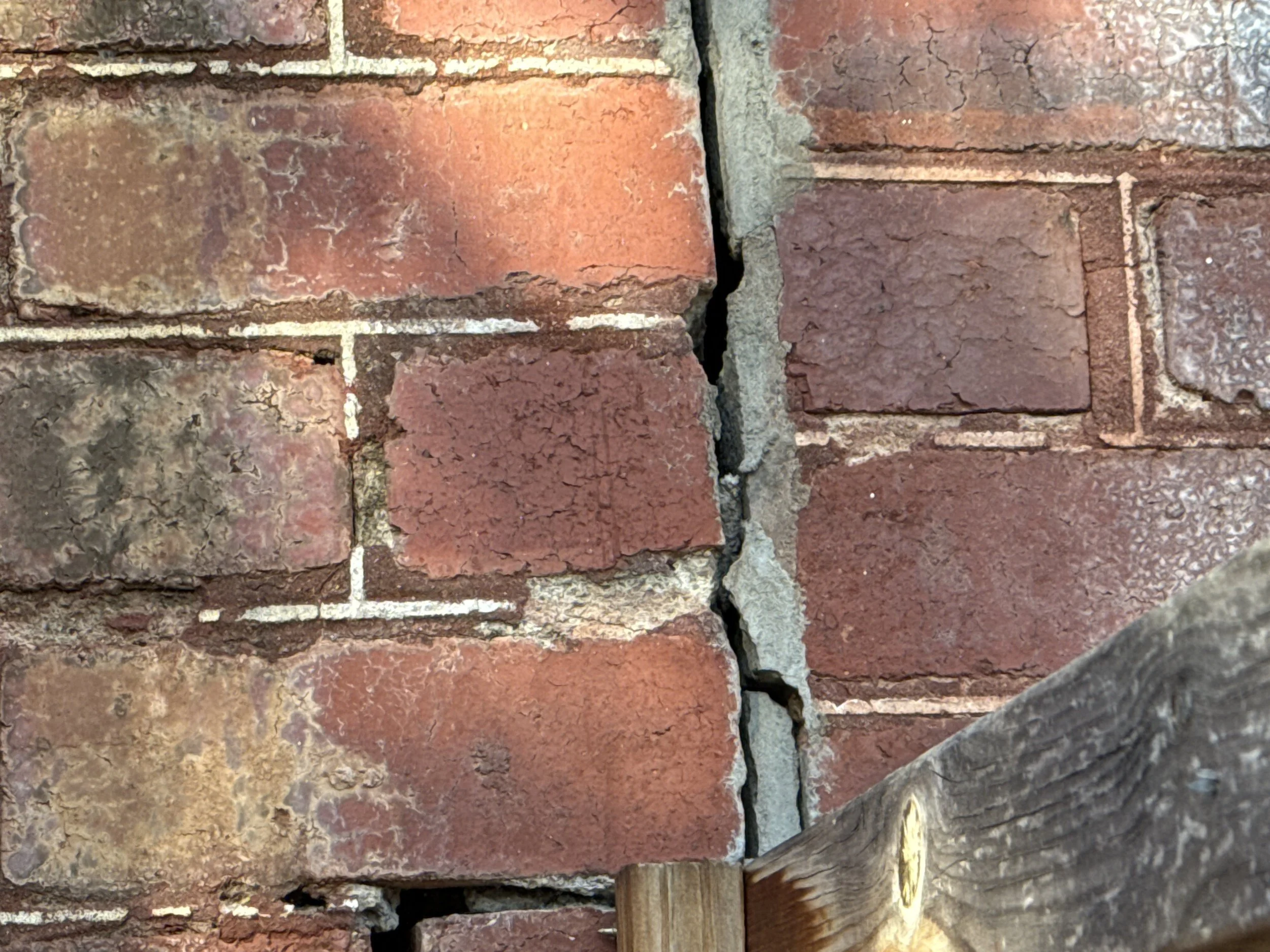
A crack needs context. Its position, pattern and the surrounding construction all matter. Where the cause or extent needs closer investigation, the report should explain the next step.
Roof Coverings, Gutters and External Surfaces
Damaged roof coverings, deteriorating window frames and gaps in external finishes can leave a home exposed to weather.
Gutters and drainage deserve attention too. A small maintenance issue can become a larger problem when water repeatedly ends up where it shouldn’t.
Bathrooms, Laundries and Moisture
Fresh grout doesn’t tell you everything about a bathroom.
Staining, damaged finishes and moisture readings can point to a leak or an area that needs further investigation. Darren uses moisture meters and thermal imaging equipment to support his assessment, alongside his building experience.
Outdoor Structures and Safety Concerns
The inspection extends beyond the rooms you’ll live in. Accessible garages, sheds, fences and other structures can have defects that affect your maintenance budget or safety.
Our regional property inspections have highlighted issues such as missing handrails and deteriorating retaining walls. These are easy to overlook when your attention is on the house.
Does It Include a Timber Pest Inspection?
With Littlefire, yes. Timber pest inspections are included in every pre-purchase building inspection.
The assessment checks accessible areas for evidence of termites, borers and fungal decay, along with conditions that make timber pest problems more likely. Damp timber, restricted ventilation and concealed entry points all deserve attention. Our timber pest inspection page explains what’s involved.
Finding no visible termites doesn’t make a property immune to future activity. The conditions around the home matter too.
We regularly see landscaping and stored materials obscure areas that need to remain visible for inspection. Our article on weep holes, ant caps and slab edges explains why these small details deserve a closer look.
What Can an Inspection Miss?
Access matters. A locked roof hatch, tightly packed storage or an inaccessible subfloor can limit what an inspector can assess.
A visual inspection cannot guarantee that every concealed defect will be found. It doesn’t involve opening walls or lifting floor coverings. Read the report’s access restrictions and recommendations carefully, particularly where further inspection is advised.
Also check the agreed scope before booking. A building inspection should not be treated as a complete electrical, plumbing or appliance assessment. Ask about any additional checks you need.
What Problems Actually Turn Up?
The most useful examples come from real properties.
At a Hawthorn pre-purchase inspection, Littlefire identified a leaking shower area, an unstable wall and confirmed termite damage. There were maintenance issues too, including blocked gutters and a disconnected stormwater drain.
Those findings needed different responses. Clearing a gutter and investigating an unstable wall are very different jobs.
That’s why a useful report explains the significance of each issue. A buyer needs to understand what requires prompt action, what needs specialist advice and what can become part of an ongoing maintenance plan.
How Much Does a Pre-Purchase Building Inspection Cost?
Littlefire’s published building and pest inspection pricing starts at $490 for a one-bedroom unit, with a typical three or four-bedroom house around $650.
The exact building inspection cost depends on the property’s size and complexity, including wet areas, subfloor access and outbuildings. Request a property-specific quote through our pre-purchase inspection page.
When comparing quotes, check what each includes. Ask about timber pest inspection, the written report and the opportunity to discuss the findings.
Allow for further investigations or repair quotes if the inspection recommends them. The inspection fee and the cost of fixing a defect are separate things.
Choosing a Building Inspector
Start with the person doing the work.
Ask about their building experience, relevant qualifications, insurance and independence from the sale. Request a sample report and read a few findings. Can you understand the issue, its significance and what to do next?
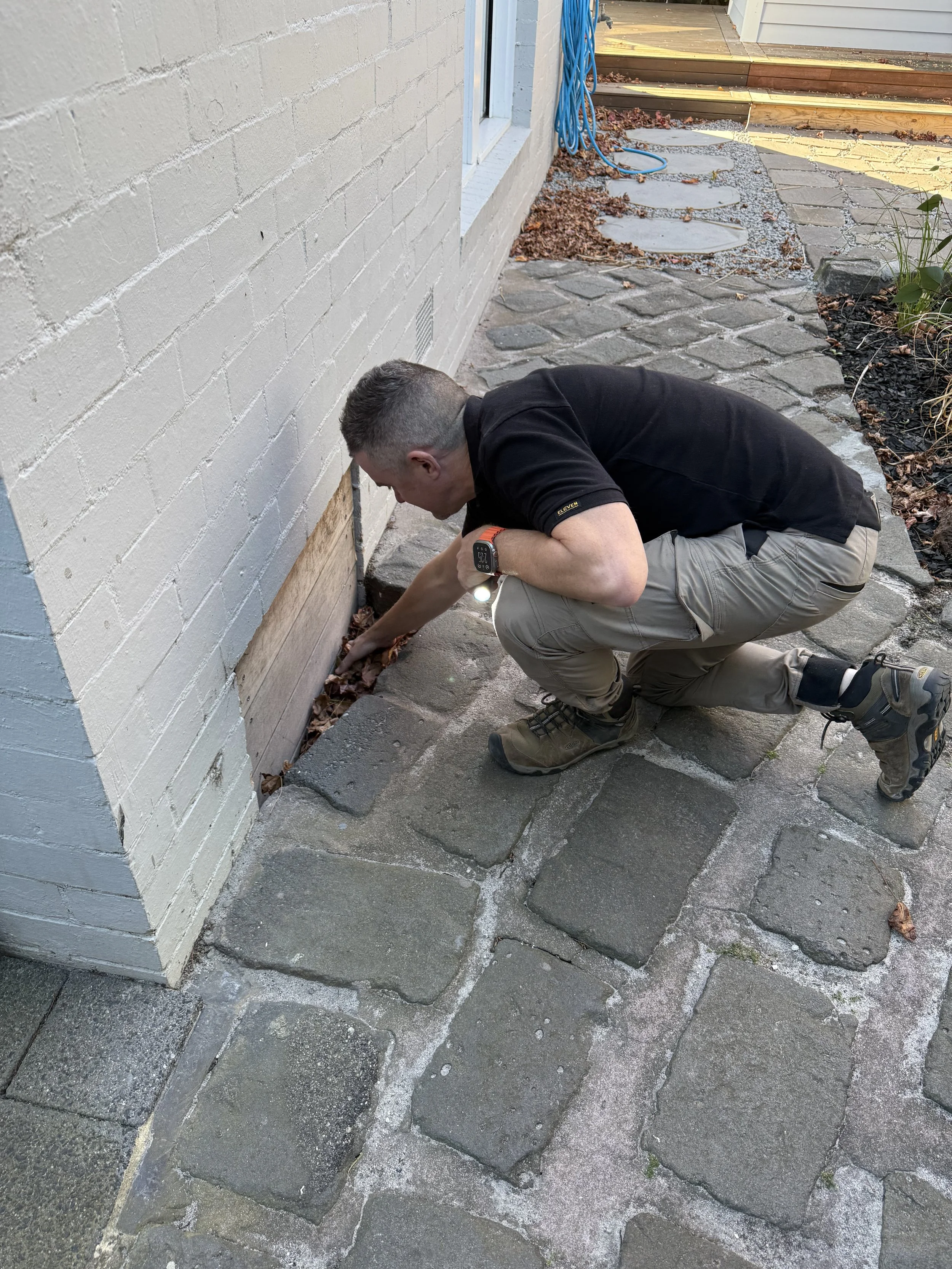
Useful questions include:
Who will carry out the inspection?
Which areas and structures are included?
What happens if access is restricted?
Is timber pest inspection included?
When will I receive the report?
Can I speak with the inspector afterwards?
Darren is a registered builder and fully insured building and timber pest inspector with hands-on construction experience. Littlefire is a family-run Bayside business serving Melbourne, the Mornington Peninsula and surrounding areas.
When Should You Book?
Get in touch as soon as you’re seriously considering a property. Share the auction date or any contract deadline at the outset.
Leave time to read the report, ask questions and arrange further advice before your decision is due. Property access also needs to be coordinated, so booking early gives everyone more room to work.
For contract conditions and deadlines, get guidance from your conveyancer or solicitor.
What Happens After You Book?
Littlefire’s inspection process starts with the property address, the inspection you need and your preferred timing. Once you accept the quote and provide the relevant contact details, access is arranged.
On inspection day, Darren assesses the accessible areas and documents the findings. Allow a few hours, depending on the property.
Afterwards, he calls to explain the key issues and answer your questions. Your written report follows within 24 hours, with photographs, descriptions and recommendations.
Use that conversation. If something isn’t clear, ask what it means for the property and what should happen next.
You’ve Got the Report. Now What?
Read the full report, including limitations and recommendations.

Start with safety concerns and major defects. Then work through any specialist assessments, repair quotes and maintenance items. If further investigation is recommended, arrange it before relying on assumptions about the likely cost.
Avoid these common mistakes:
Reading only the summary.
Assuming a minor issue can be ignored indefinitely.
Treating a repair recommendation as a fixed-price quote.
Overlooking areas the inspector couldn’t access.
Leaving follow-up questions until a contract deadline.
A report becomes useful when you act on it. Keep it after the purchase too, as a reference for repairs and maintenance.
Got a Property in Mind?
Send Darren the address and let him know your timeframe. We’ll explain what’s included, confirm the cost and help arrange your inspection.
Request a pre-purchase building inspection quote, or call 0406 679 602.
Know what needs attention before you take on the keys.