
Rising Damp in Melbourne's Victorian and Edwardian Terraces: What We Actually Find
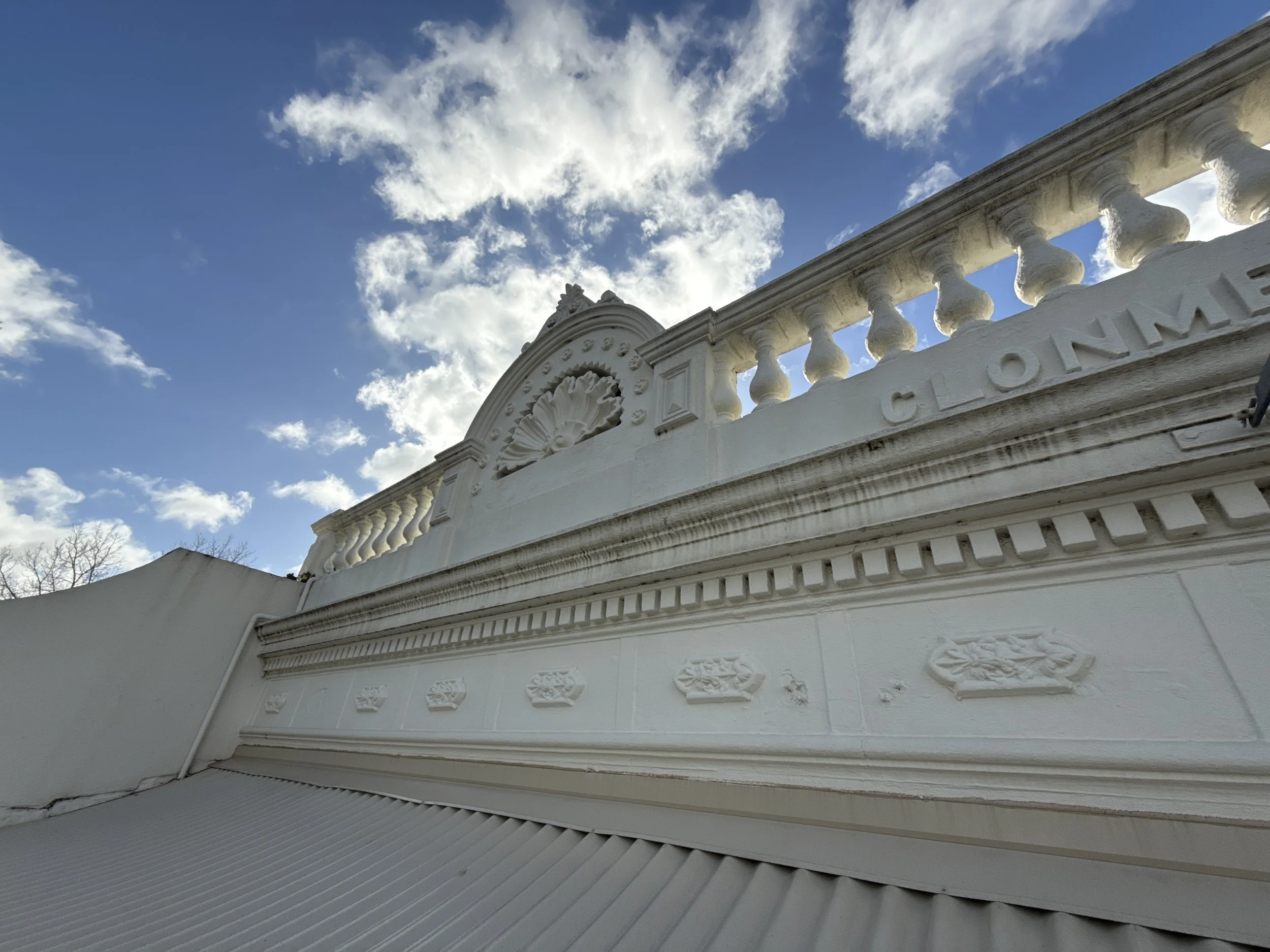
Walk through enough Victorian and Edwardian terraces in Fitzroy North, Carlton North, Prahran or St Kilda and you start to see the same pattern. A beautiful facade, an original hallway, ornate cornices, and rising damp working its way up the base of the internal walls. It's one of the most common things we flag in period homes, and it catches a lot of buyers off guard because it's easy to miss on a walk-through inspection with the agent.
Why So Many Old Terraces Have Rising Damp
Rising damp is moisture moving up through a masonry wall from the ground, drawn up through the brick and mortar the way a wick draws liquid up a candle. In a house built to modern standards, this is stopped by a damp-proof course: a physical barrier, usually a layer near the base of the wall, that groundwater can't pass through.
No Damp-Proof Course at All
Here's the problem with a lot of 19th century construction: many of these buildings simply weren't built with a damp-proof course. It wasn't standard practice at the time. So there's nothing stopping ground moisture moving up into the brickwork, and it never has been, for well over a century.
A Damp-Proof Course That's Been Bridged
In terraces that were built with one, we often find it's been bridged: meaning something built up against the outside wall now sits higher than the DPC line, giving moisture a way to skip over the barrier entirely. Raised garden beds against the front wall, a paved path or driveway laid too high, render applied down over the top of the damp-proof course during a renovation. Any of these can bridge it. The DPC might be doing its job perfectly, and moisture still gets past it because of what's been built against the wall since.
Either way, the result on the inside is the same: damp patches climbing the base of the internal walls, often with salt staining, flaking paint or crumbling plaster, usually worse in the older, original sections of the house than in any later additions.
It Rarely Stops at the Wall: Floors and Stumps Feel It Too
Rising damp is a wall problem, but the moisture doesn't stay in the wall. We've inspected terraces where rising damp through the ground floor lines up with uneven flooring and suspected failing timber stumps underneath. Once moisture is sitting in that subfloor environment, timber stumps that have carried the house for a hundred-plus years can start to fail, and floors above start to move, dip or bounce underfoot. If your inspection turns up rising damp in a period home, it's worth getting the subfloor properly checked rather than assuming it's isolated to the wall you can see the stain on.
Old Terracotta Drainage and Established Trees: A Combination We Expect
There's another pattern specific to these leafy, established pockets of Melbourne. A lot of terraces in suburbs like Hawthorn, Kew and Carlton North still have their original terracotta stormwater and sewer drainage in the ground, and the same streets are lined with mature trees that have had decades to send roots wherever there's moisture to find. Terracotta pipe joints are exactly the kind of thing tree roots exploit.
We don't treat root damage to old drainage as a rare surprise in these suburbs. We treat it as something to expect and check for. It doesn't always show up as an obvious problem on the surface. A slow-draining downpipe, a damp patch near a boundary, standing water after rain. A CCTV drain inspection by a licensed plumber is the only way to know for certain what's happening underground, and it's cheap insurance compared to what a cracked sewer line under a driveway costs to fix later.
Why Rising Damp Shows Up in Two Sections of Your Report
If you've read one of our reports before, you'll notice rising damp doesn't just get one mention. It's logged as a defect in the Property section, because it's damaging the building: plaster, paint, skirting, potentially structural timber. But it also gets picked up in the Timber Pest section, assessed under AS 4349.3-2010, because damp subfloor timber and moisture-affected wall cavities are precisely the conditions conducive to timber pest attack that termites and fungal decay look for. One root cause, two consequences. That's not the report repeating itself. It's the report showing you the full picture.
What to Do Before Contracts Become Binding
Rising damp in a period home is common enough that it shouldn't automatically scare you off buying it. Plenty of buyers take on a terrace knowing there's remedial work ahead. What matters is knowing before you sign, not after. Get a clear picture of the extent of the damp, whether the subfloor timber and stumps are compromised, and whether the drainage has been checked by a licensed plumber. All of that should happen before contracts become binding, while you can still negotiate price or ask for it to be addressed, rather than after settlement when it's entirely your problem and your cost.
Book a Pre-Purchase Inspection With Littlefire
If you're bidding on a Victorian or Edwardian terrace anywhere from Fitzroy North to Hawthorn, Kew or St Kilda, get a pre-purchase building and pest inspection that actually looks for this. We check the subfloor, the stumps, and flag drainage issues for you to follow up, in a photo-rich report you can read in plain English. Book through www.littlefire.com.au before your due diligence period runs out.